
Cart (0)
Close
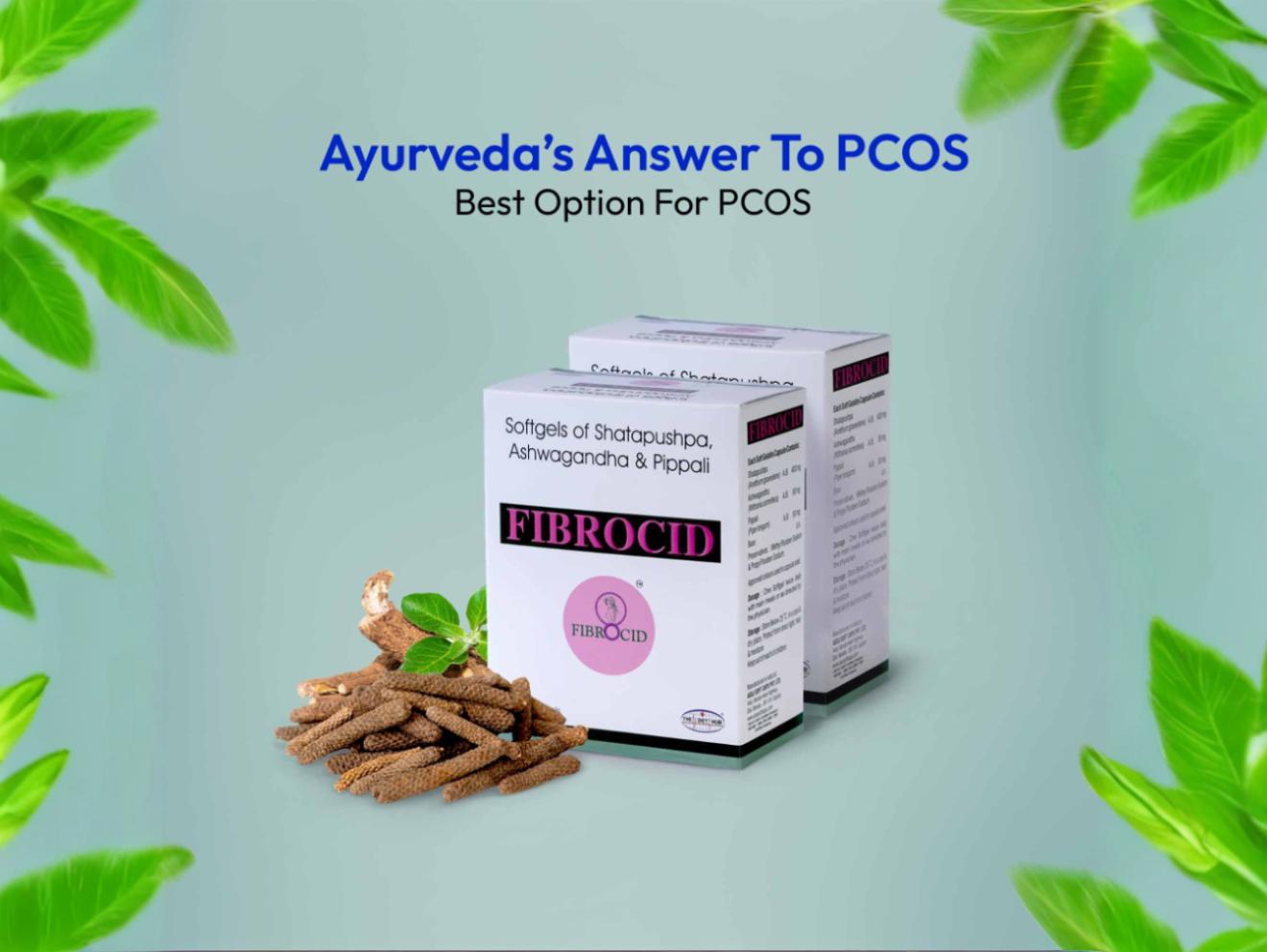
Polycystic Ovary Syndrome (PCOS) is a pervasive endocrine disorder affecting approximately one in five women in India. It manifests as a constellation of reproductive, metabolic, and psychological symptoms—irregular menstrual cycles, hormonal imbalances, hirsutism, acne, weight gain, and mood disturbances. While conventional treatments often focus on symptom management (e.g., hormonal contraceptives or insulin sensitizers), many women seek holistic, root-cause approaches to restore balance naturally.
Enter Fibrocid, an Ayurvedic formulation by The Diet Hub (Cochin, India), designed specifically to address the underlying hormonal disruptions in PCOS. Through a synergistic blend of adaptogenic, uterotonic, and bioenhancing botanicals, Fibrocid supports the normal function of the hypothalamic–pituitary–ovarian (HPO) axis, reduces insulin resistance, and mitigates systemic inflammation. In this comprehensive post, we’ll explore:
- The pathophysiology of PCOS and how hormonal imbalance arises
- The Ayurvedic lens on endocrine health
- Fibrocid’s key ingredients, mechanisms of action, and clinical rationale
- Practical usage guidelines, safety considerations, and complementary lifestyle strategies
1. Understanding PCOS and Hormonal Disruption
1.1. Pathophysiology of PCOS
- Insulin Resistance & Hyperinsulinemia : Elevated insulin levels drive the ovarian theca cells to produce excess androgens (testosterone and DHEA-S). Chronically high insulin also suppresses hepatic sex-hormone–binding globulin (SHBG), increasing free androgen levels in circulation.
- HPO Axis Dysregulation : In a healthy cycle, the hypothalamus releases gonadotropin–releasing hormone (GnRH) in a pulsatile fashion, stimulating balanced luteinizing hormone (LH) and follicle-stimulating hormone (FSH) release from the pituitary. In PCOS, aberrant GnRH pulsatility elevates the LH:FSH ratio (often >2:1), disrupting follicular maturation and ovulation.
1.2. Key Hormones Affected
- Androgens (Testosterone, DHEA-S) : Drive hirsutism, acne, and follicular arrest.
- LH & FSH : Imbalanced ratio impairs normal ovulatory cycles.
- Insulin : Exacerbates androgen excess and metabolic dysfunction.
1.3. Clinical Manifestations
- Menstrual Irregularities : Oligomenorrhea (cycles >35 days) or amenorrhea (no cycles).
- Hyperandrogenic Signs : Excess facial/body hair, acne, scalp hair thinning.
- Metabolic Concerns : Central weight gain, difficulty losing weight, prediabetes/diabetes risk.
- Psychological Impact : Mood swings, fatigue, low self-esteem due to cosmetic and fertility concerns.
2. Ayurvedic Perspective on Hormonal Health
Ayurveda views PCOS as a tri-dosha imbalance with predominant Kapha (heaviness, stagnation) and Vata (irregularity, dryness) derangements. This dual imbalance leads to “Ama” (toxin) accumulation, sluggish Agni (digestive/metabolic fire), and impaired tissue nourishment, including the reproductive organs.
2.1. Dosha Imbalance in PCOS
- Kapha : Manifests as weight gain, lethargy, and excess mucus/stagnation around the pelvic region.
- Vata : Presents with irregular cycles, dryness, anxiety, and nerve hypersensitivity.
2.2. Ayurvedic Intervention Principles
- Detoxification (Panchakarma) : Therapies like Virechana (therapeutic purgation) and Basti (medicated enema) help expel accumulated toxins and balance Kapha.
- Agni (Digestive Fire) Optimization : Herbs and dietary protocols that kindle Agni improve metabolism, insulin sensitivity, and nutrient assimilation.
- Herbal Endocrine Modulation : Specific botanicals address stress adaptation, uterine health, and bioavailability, restoring harmonious endocrine signaling.
3. Fibrocid: Overview and Benefits
Fibrocid is a 100% Ayurvedic soft-gelatin capsule formulation from The Diet Hub, specially crafted to address the hormonal and reproductive imbalances seen in PCOS and uterine fibroids. Fibrocid offers:
- Regulation of Menstrual Cycles : Helps normalize cycle length and flow, reducing instances of skipped or unpredictable periods.
- Reduction of Hyperandrogenic Symptoms : Targets excess facial and body hair by addressing the hormonal root causes, leading to smoother, clearer skin.
- Support for Hair Health : Nourishes follicles to combat scalp hair thinning and promote thicker growth.
- Uterine Wellness : Assists in managing fibroid-related discomfort and supports overall reproductive tract health.
4. Mechanisms of Hormone Regulation by Fibrocid
4.1. Normalizing the HPO Axis
- GnRH Pulsatility : Ashwagandha’s neuro-endocrine stabilization smooths GnRH release, encouraging balanced LH and FSH surge.
- Follicular Maturation : Sathapushpa promotes optimal estrogen and progesterone production by supporting granulosa cell function.
4.2. Attenuating Insulin Resistance
- Stress-Insulin Link : By lowering cortisol, Ashwagandha enhances insulin receptor sensitivity, indirectly reducing ovarian androgen output.
- Metabolic Boost : Pippali’s thermogenic action helps upregulate mitochondrial activity in muscle and adipose tissue, improving glucose uptake.
4.3. Reducing Excess Androgens
- 5α-Reductase Inhibition : Chronic DHT production from testosterone is down-regulated, reducing sebum overproduction and hirsutism.
- Enhanced Follicular Health : A healthier ovarian microenvironment prevents follicle arrest and “androgen spillover” into circulation.
4.4. Anti-Inflammatory & Antioxidant Protection
- Oxidative Stress Mitigation : Free-radical scavenging preserves ovarian tissue integrity and primordial follicle reserve.
- Systemic Inflammation Reduction : Supports longer-term metabolic and endocrine homeostasis.
5. Ingredients of Fibrocid: Quick Reference
- Ashwagandha : Lowers cortisol; normalizes LH/FSH; reduces testosterone
- Sathapushpa : Uterine support; anti-inflammatory; promotes cycle regularity
- Pippali : Enhances absorption; thermogenic support; aids metabolism
6. Dosage, Usage Guidelines, and Safety
6.1. Recommended Dosage
- One capsule twice daily,taken post-meal with warm water for optimal absorption.
6.2. Timeframe for Results
- Cycle Regularity : Expect improvements within 8–12 weeks.
- Sustained Balance : Continued use over 3–6 months supports lasting endocrine harmony.
6.3. Safety Profile
- Well-Tolerated : No known adverse effects in clinical or Ayurvedic practice.
- Contraindications :
- Avoid during pregnancy or lactation without Ayurvedic physician approval
- Consult a healthcare provider if on hormonal medications or with pre-existing comorbidities (e.g., diabetes, thyroid disorders).
6.4. When to Seek Professional Guidance
- No improvement after 3 months
- Severe symptoms or sudden changes in cycle pattern<.li>
- Concurrent endocrine conditions requiring specialized care
7. Complementary Lifestyle Strategies
Fibrocid works best as part of a holistic regimen:
7.1. Diet
- Low-Glycemic Index Foods : Whole grains, pulses, non-starchy vegetables
- Lean Protein : Fish, poultry, plant-based proteins to stabilize blood sugar
- Anti-Inflammatory Spices : Turmeric, ginger, cinnamon
7.2. Exercise
- Strength Training : Builds lean muscle mass, improving basal metabolic rate and insulin sensitivity.
- Moderate Cardio : Brisk walking, cycling, or swimming for at least 150 minutes/week.
7.3. Stress Management
- Yoga Asanas :
- Baddha Konasana (Butterfly Pose) to open the pelvis
- Setu Bandha Sarvangasana (Bridge Pose) to stimulate endocrine glands
- Pranayama & Meditation : Deep diaphragmatic breathing, guided mindfulness to lower cortisol.
7.4. Sleep Hygiene
- Maintain 7–8 hours of uninterrupted sleep.
- Keep a consistent sleep–wake schedule to regulate circadian cortisol rhythms.
Conclusion
Fibrocid offers a scientifically grounded, Ayurvedic solution to the multifactorial challenges of PCOS. By targeting the HPO axis, reducing insulin resistance, and quelling inflammation, its tri-herbal formula paves the way for restored menstrual regularity, diminished hyperandrogenic symptoms, and improved metabolic health. When combined with a balanced diet, regular exercise, mindful stress reduction, and proper sleep, Fibrocid empowers women to reclaim hormonal harmony and overall well-being.
This entry was posted in Blog