
Cart (0)
Close



Carkcure: Revolutionizing Cancer Prevention with Ayurveda

Introduction
In the realm of health and wellness, the battle against cancer remains one of humanity’s most significant challenges. In the pursuit of effective, natural solutions, we introduce Carkcure – a groundbreaking ayurvedic health supplement meticulously crafted to combat breast and prostate cancer. Breast and prostate cancer, two of the most prevalent forms of cancer globally, are often influenced by lifestyle factors. Poor dietary choices, a lack of physical activity, exposure to environmental toxins, and high-stress levels are just a few elements that contribute to the rising incidence of these cancers. In this blog post, we delve into the intricate relationship between lifestyle choices and cancer, exploring how Carkcure, the revolutionary ayurvedic health supplement, plays a pivotal role in prevention and treatment.
Understanding the Lifestyle Factors
Dietary Habits and Cancer Risk: Unhealthy diets rich in processed foods, sugars, and saturated fats have been linked to an increased risk of cancer. Conversely, a diet abundant in fruits, vegetables, and whole grains provides essential nutrients that support the body’s natural defense mechanisms against cancer cells.
Physical Inactivity and Obesity: Sedentary lifestyles and obesity not only contribute to weight-related health issues but also elevate the risk of developing breast and prostate cancer. Regular physical activity not only helps maintain a healthy weight but also reduces inflammation and promotes overall well-being.
Environmental Toxins and Hormonal Disruption: Exposure to environmental pollutants, such as pesticides and chemicals, can disrupt hormonal balance in the body. Estrogen, in particular, plays a significant role in breast cancer development. Minimizing exposure to such toxins is crucial in cancer prevention strategies.
Chronic Stress and Cancer: Chronic stress can weaken the immune system and trigger inflammation, creating an environment conducive to cancer growth. Managing stress through relaxation techniques, hobbies, and social support is vital in reducing cancer risk.
Understanding Cancer and the Need for Natural Solutions
Cancer, characterized by uncontrolled cell growth, poses a grave threat to millions worldwide. Conventional treatments, while valuable, often come with side effects. Natural alternatives like Carkcure offer a promising avenue for prevention and support, harnessing the power of nature’s ingredients.
Decoding Carkcure’s Potency
Carkcure’s Ingredients
At the heart of Carkcure’s effectiveness lie Gamma and Delta Tocotrienol, each capsule brimming with 400mg of these potent compounds derived from Tocotrienol Rich Fraction. These isomers have been extensively studied for their remarkable anti-cancer effects, making them the cornerstone of Carkcure’s formulation.
Carkcure’s Unique Mechanism
1. Preventing Oxidative Stress and DNA Damage: By shielding cells from oxidative stress and radiation-induced DNA damage, Carkcure inhibits the formation of new cancer stem cells (CSCs).
2. Halting Tumor Initiation: Carkcure blocks the P3/AKT pathway, thwarting the initiation of tumors from CSCs, a pivotal step in cancer prevention.
3. Boosting Immunity and Inducing Apoptosis: Carkcure activates human dendritic cells, bolstering tumor immunity by inducing apoptosis, a process vital for preventing cancer cell growth.
4. Inhibiting Angiogenesis and Cancer Cell Survival: By inhibiting tumor angiogenesis and blocking signaling and enzymatic pathways, Carkcure hinders the survival and growth of cancer cells.
Scientific Validation and Studies
Carkcure’s Impact Beyond Breast Cancer
While its efficacy in breast cancer prevention is well-established, Carkcure has also shown promise in pancreatic, hepatocellular, and prostate cancers. Scientific studies have consistently demonstrated Carkcure’s ability to modulate gene expressions associated with anti-tumor effects, offering hope to patients across various cancer types.
Dosage and Bioavailability
The recommended dosage of 1-2 Carkcure capsules per day, taken with food, ensures optimal bioavailability. This careful dosage strategy maximizes the body’s ability to absorb and utilize the supplement’s powerful anti-cancer properties.
The Road to a Healthier Future
Carkcure in Lifestyle and Diet
Embracing Carkcure isn’t just about taking a supplement; it’s a lifestyle choice. Alongside incorporating Carkcure into your daily routine, adopting a balanced diet rich in antioxidants, regular exercise, and stress management can further enhance its efficacy.
Conclusion: Embracing Hope and Health with Carkcure
In the face of cancer’s daunting challenges, Carkcure stands as a beacon of hope, offering a natural, effective, and safe means of prevention and support. By understanding the science behind Carkcure, appreciating its potent ingredients, and acknowledging its scientific validation, individuals can make informed decisions about their health and well-being.
Choosing Carkcure isn’t just a choice; it’s a step towards a healthier future, free from the shackles of cancer. Together, let’s embrace hope, harness the power of nature, and work towards a world where cancer is but a word, not a sentence.
Unveiling Ayurvedic Secret for Empowered PCOS Management


What is PCOS?
Polycystic Ovarian Syndrome (PCOS) is a multifaceted and heterogeneous disorder with an unknown cause. It affects approximately 1 in 10 women, leading to significant disruptions in their reproductive health. PCOS is characterized by the presence of multiple cysts in the ovaries, resulting from disturbances in the normal menstrual cycle. This disruption causes the ovaries to enlarge and produce excessive amounts of androgen and estrogen hormones. Consequently, these hormonal imbalances interfere with the growth and release of eggs, leading to irregular or absent menstrual cycles.
Common Symptoms of PCOS
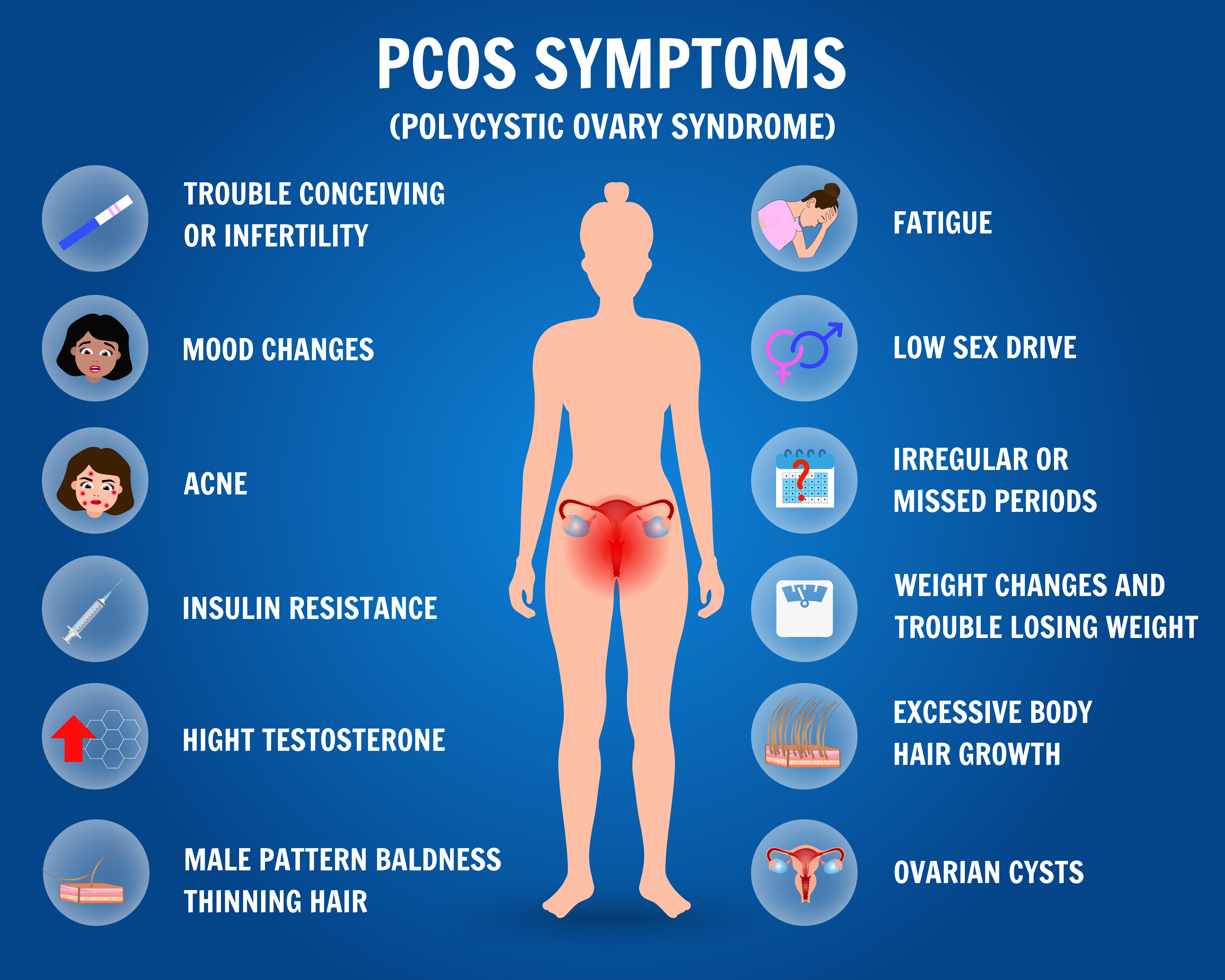
- Menstrual Abnormalities: Irregular, infrequent, or absence of menstrual cycles, sometimes alternating with frequent cycles.
- Infertility: Difficulty in conceiving due to irregular ovulation and anovulatory cycles.
- Skin Issues: Acne, hirsutism (male-pattern hair growth on face and chest), and hair loss (alopecia) on the scalp due to elevated levels of masculinizing hormones.
- Metabolic Disturbances: Obesity, high cholesterol levels, hypothyroidism, and insulin resistance, leading to increased risk of diabetes.
- Psychological Challenges: PCOS can cause psychological distress, including depression and anxiety, often triggered by personal and familial stressors.
Understanding PCOS and the Ayurvedic Approach
In today’s fast-paced world, Polycystic Ovary Syndrome (PCOS) has become a common concern among women, affecting their overall well-being. Ayurveda, the ancient Indian system of medicine, offers profound insights into managing PCOS naturally and effectively. In this article, we will explore the holistic approaches, emphasizing diet, exercise, and the unique benefits of FIBROCID, a natural solution rooted in Ayurvedic wisdom.
Balancing Doshas: The Core of Ayurvedic PCOS Management
Ayurveda believes that imbalances in the doshas – Vata, Pitta, and Kapha – lead to various health issues, including PCOS. Through personalized Ayurvedic consultations, individuals can identify their dominant dosha and embrace dietary and lifestyle changes that restore balance. By understanding one’s body constitution, tailored Ayurvedic recommendations can be implemented to alleviate PCOS symptoms.
Nourishing Foods for PCOS: Beyond Traditional Diets
While traditional Ayurvedic principles form the foundation of an Ayurvedic diet for PCOS, it’s essential to integrate modern nutritional knowledge. Foods rich in antioxidants, fiber, and essential nutrients support hormone balance and aid in managing PCOS. We will explore a range of foods, from colorful fruits and vegetables to whole grains and lean proteins, that can be included in a PCOS-friendly diet, promoting overall health and vitality.
Ayurvedic Herbs: Nature’s Healing Power
Ayurvedic herbs play a pivotal role in managing PCOS symptoms. From the renowned Ashwagandha, an adaptogenic herb that reduces stress and balances hormones, to Shatavari, which supports reproductive health, these herbs have been cherished for centuries for their healing properties. Understanding the roles and benefits of these herbs will empower individuals to make informed choices about their well-being.
FIBROCID: Nature’s Answer to PCOS
At the heart of the battle against PCOS stands FIBROCID, a carefully crafted herbal concoction rooted in the ancient wisdom of Ayurveda. Developed by experts, FIBROCID combines the power of nature’s herbs to address the intricate imbalances within the body that lead to PCOS symptoms.
Key Ingredients and Their Ayurvedic Significance
Delving into the core of FIBROCID, we encounter a profound synergy of Ayurvedic herbs. Each herb plays a distinct role, from balancing doshas to purifying the bloodstream. Ingredients like Ashwagandha, known for its adaptogenic properties, help the body adapt to stress, a key factor in PCOS. Shatavari, a revered herb in Ayurveda, aids in hormone regulation and rejuvenation. The holistic approach of FIBROCID lies in the meticulous selection of these herbs, each possessing unique qualities that contribute to its effectiveness.
Exploring the Herbs: Their Roles and Benefits
Within the intricate blend of FIBROCID, these herbs work harmoniously. Ashoka, with its potent anti-inflammatory properties, soothes the reproductive system, while Lodhra acts as a natural detoxifier, ridding the body of harmful toxins. Together, these herbs create a powerful elixir that targets the root causes of PCOS.
FIBROCID’s Unique Formulation: How It Targets PCOS at Its Root
Unlike conventional treatments, FIBROCID does not merely mask symptoms but delves deep into the underlying causes of PCOS. By addressing imbalances in hormones, reducing inflammation, and purifying the bloodstream, FIBROCID offers a comprehensive solution. Its unique formulation ensures that PCOS is not just managed but actively countered, promoting overall well-being.

Incorporating Ayurveda into Your Lifestyle
Ayurveda emphasizes the significance of holistic living. For those battling PCOS, adopting an Ayurvedic lifestyle can be transformative. Tailored diets incorporating foods that balance doshas and regular exercises, particularly yoga, promote harmony within the body. These practices, when coupled with FIBROCID, create a powerful synergy, enhancing the body’s ability to combat PCOS.
Ayurvedic Diet Recommendations for PCOS
Ayurvedic principles guide the selection of foods that aid in PCOS management. Incorporating nourishing, whole foods while avoiding processed items helps in maintaining hormonal balance. Foods such as turmeric, fenugreek, and flaxseeds, known for their hormonal-regulating properties, find their place in an Ayurvedic PCOS diet.
Yoga and Physical Activities: Balancing Doshas
Yoga, a cornerstone of Ayurvedic practices, offers asanas specifically designed to balance hormones and improve reproductive health. From the calming Padmasana to the invigorating Surya Namaskar, these poses aid in restoring balance, crucial for PCOS management. The holistic approach of Ayurvedic yoga fosters physical, mental, and emotional well-being.
Stress Management: A Crucial Aspect of PCOS Care
Stress, a ubiquitous presence in modern life, significantly exacerbates PCOS symptoms. Ayurveda introduces time-tested techniques, including Pranayama (breathing exercises) and meditation, to alleviate stress. FIBROCID complements these practices, acting as a natural stress reliever, calming the mind, and promoting relaxation.
Ayurvedic Techniques for Stress Relief
Ayurvedic therapies such as Abhyanga (oil massage) and Shirodhara (a continuous stream of warm oil on the forehead) provide profound relaxation. These therapies, coupled with FIBROCID’s calming effects, create a cocoon of tranquility, essential for managing stress and anxiety associated with PCOS.
Conclusion
In the intricate web of Polycystic Ovary Syndrome (PCOS), Ayurveda and FIBROCID emerge as powerful allies. Through balanced doshas, nourishing diets, and yoga, Ayurveda delves into the root causes of PCOS, offering transformative healing. FIBROCID, a blend of Ayurvedic herbs, complements these practices, providing holistic solutions. Together, they empower women, restoring balance, vitality, and hope. Embracing these natural approaches, every woman can embark on a journey of healing, reclaiming her health and well-being.
Top 5 Ayurvedic Medicines for Sugar Control: A Comprehensive Review

Welcome to our comprehensive review of the top 5 Ayurvedic medicines for sugar control. In today’s fast-paced world, the number of individuals affected by diabetes is on the rise. With conventional treatments often falling short, many people are turning to Ayurvedic medicine for effective and natural solutions. Ayurveda, an ancient Indian system of medicine, offers a holistic approach to managing blood sugar levels. In this review, we will explore the top 5 Ayurvedic medicines that have gained popularity for their therapeutic benefits in sugar control. From herbal supplements to traditional remedies, we will delve into their ingredients, mechanisms of action, and scientific evidence supporting their efficacy. Whether you are looking for alternative options or seeking to complement your existing treatment plan, this review aims to provide you with the information you need to make informed decisions about your health. Join us as we uncover the power of Ayurveda in managing diabetes and taking control of your well-being.
Table of Content
Understanding Ayurvedic medicine
Ayurveda and sugar control
The importance of natural remedies for sugar control
Top 5 Ayurvedic medicines for sugar control
How to incorporate Ayurvedic medicines into your routine
Potential side effects and precautions
Consultation with an Ayurvedic practitioner
Other lifestyle changes for sugar control
Where to buy Ayurvedic medicines for sugar control
Conclusion
Understanding Ayurvedic Medicine
Ayurveda is a 5,000-year-old system of medicine that originated in India. It is based on the belief that health and wellness depend on a delicate balance between the mind, body, and spirit. Ayurvedic medicine focuses on promoting overall well-being and preventing diseases by addressing the root cause rather than just treating the symptoms. In the context of sugar control, Ayurveda offers a range of natural remedies that can help regulate blood sugar levels and improve insulin sensitivity. These remedies are derived from plants, herbs, and minerals, and have been used for centuries to promote optimal health. By understanding the principles of Ayurvedic medicine, we can better appreciate the effectiveness of the top 5 Ayurvedic medicines for sugar control.
Ayurveda and Sugar Control
Ayurveda recognizes diabetes as a metabolic disorder caused by an imbalance in the body’s doshas, or energies. According to Ayurvedic philosophy, an excess of the Kapha dosha, which represents earth and water elements, can lead to diabetes. This excess can be caused by factors such as poor diet, sedentary lifestyle, and genetic predisposition. Ayurvedic medicine aims to restore balance by addressing the underlying cause of the imbalance and promoting healthy digestion, metabolism, and elimination. The top 5 Ayurvedic medicines for sugar control have been carefully selected based on their ability to regulate blood sugar levels, improve insulin sensitivity, and support overall well-being.
The Importance of Natural Remedies for Sugar Control
In a world dominated by pharmaceutical interventions, the importance of natural remedies cannot be overstated. Ayurvedic medicines for sugar control offer a natural and holistic approach that focuses on long-term health and well-being. Unlike conventional medications, which often come with a host of side effects, Ayurvedic medicines are generally well-tolerated and have minimal adverse effects. They work in harmony with the body’s natural processes, rather than suppressing symptoms or artificially manipulating biochemical pathways. By incorporating these natural remedies into your sugar control regimen, you can experience the benefits of Ayurveda while minimizing the risks associated with conventional treatments.
Top 5 Ayurvedic Medicines for Sugar Control
- Dr Vaidya’s dibex tablet
- DB 850 Tablet
- Aimil BGR 34 Tablets
- Cipzer Diabofit Capsule
- Bacfo Diabac Tablets
How to Incorporate Ayurvedic Medicines Into Your Routine
Incorporating Ayurvedic medicines into your routine requires a comprehensive approach that goes beyond just taking supplements. To get the most out of these natural remedies, it is important to adopt a healthy lifestyle that includes a balanced diet, regular exercise, stress management, and adequate sleep. Ayurveda emphasizes the importance of eating freshly cooked, whole foods that are tailored to your unique constitution. Additionally, engaging in physical activity can help improve insulin sensitivity and promote overall well-being. Managing stress and getting enough restful sleep are also crucial for maintaining optimal blood sugar control. By combining Ayurvedic medicines with these lifestyle modifications, you can maximize their effectiveness and achieve long-term sugar control.
Potential Side Effects and Precautions
While Ayurvedic medicines are generally considered safe, it is important to use them under the guidance of a qualified Ayurvedic practitioner. Some individuals may experience mild side effects, such as gastrointestinal disturbances or allergic reactions, when taking Ayurvedic medicines. Additionally, certain Ayurvedic herbs may interact with medications, so it is important to inform your healthcare provider about any supplements you are taking. Pregnant and breastfeeding women should exercise caution and consult with a healthcare professional before using Ayurvedic medicines for sugar control. As with any form of treatment, it is important to weigh the potential benefits against the risks and make informed decisions about your health.
Consultation with an Ayurvedic Practitioner
To ensure the safe and effective use of Ayurvedic medicines for sugar control, it is recommended to consult with a qualified Ayurvedic practitioner. These practitioners have a deep understanding of Ayurvedic principles and can provide personalized recommendations based on your unique constitution and health goals. They can help determine the most appropriate Ayurvedic medicines for your specific needs, as well as guide you in adopting a holistic approach to sugar control. By working with an Ayurvedic practitioner, you can receive individualized care and support on your journey towards optimal health.
Other Lifestyle Changes for Sugar Control
In addition to Ayurvedic medicines, there are several lifestyle changes that can contribute to effective sugar control. These include:
1. Following a balanced diet: Focus on consuming whole, unprocessed foods that are low in sugar and high in fiber. Incorporate a variety of fruits, vegetables, whole grains, lean proteins, and healthy fats into your meals.
2. Engaging in regular physical activity: Aim for at least 150 minutes of moderate-intensity aerobic exercise, such as brisk walking or cycling, per week. Include strength training exercises to build muscle mass and improve insulin sensitivity.
3. Managing stress: Practice stress-reducing techniques such as meditation, deep breathing exercises, and yoga. Engaging in activities that you enjoy, such as hobbies or spending time in nature, can also help alleviate stress.
4. Getting enough sleep: Aim for 7-9 hours of restful sleep per night. Establish a regular sleep schedule and create a sleep-friendly environment to promote quality sleep.
By incorporating these lifestyle changes alongside Ayurvedic medicines, you can optimize your sugar control efforts and improve your overall well-being.
Where to Buy Ayurvedic Medicines for Sugar Control
Ayurvedic medicines for sugar control are widely available both online and in select health stores. When purchasing Ayurvedic medicines, it is important to choose reputable brands that adhere to quality standards and source their ingredients responsibly. Look for products that have been certified by recognized regulatory bodies, such as the Food and Drug Administration (FDA) or the National Medicinal Plants Board (NMPB). Additionally, consider seeking recommendations from a qualified Ayurvedic practitioner who can guide you towards reliable sources. Remember to always read the product labels and follow the recommended dosage instructions for optimal results.
Conclusion
Ayurvedic medicines offer a natural and holistic approach to sugar control, addressing the root cause of the imbalance rather than just managing the symptoms. The top 5 Ayurvedic medicines for sugar control have gained popularity for their therapeutic benefits in regulating blood sugar levels, improving insulin sensitivity, and supporting overall well-being. By incorporating these natural remedies into your sugar control regimen, along with adopting a healthy lifestyle, you can take control of your well-being and manage diabetes effectively. Remember to consult with a qualified Ayurvedic practitioner to ensure the safe and effective use of these medicines. Embrace the power of Ayurveda and embark on a journey towards optimal health and sugar control.