Conquer Belly Fat: How Lifestyle, Exercise, and Metabolism Work Together

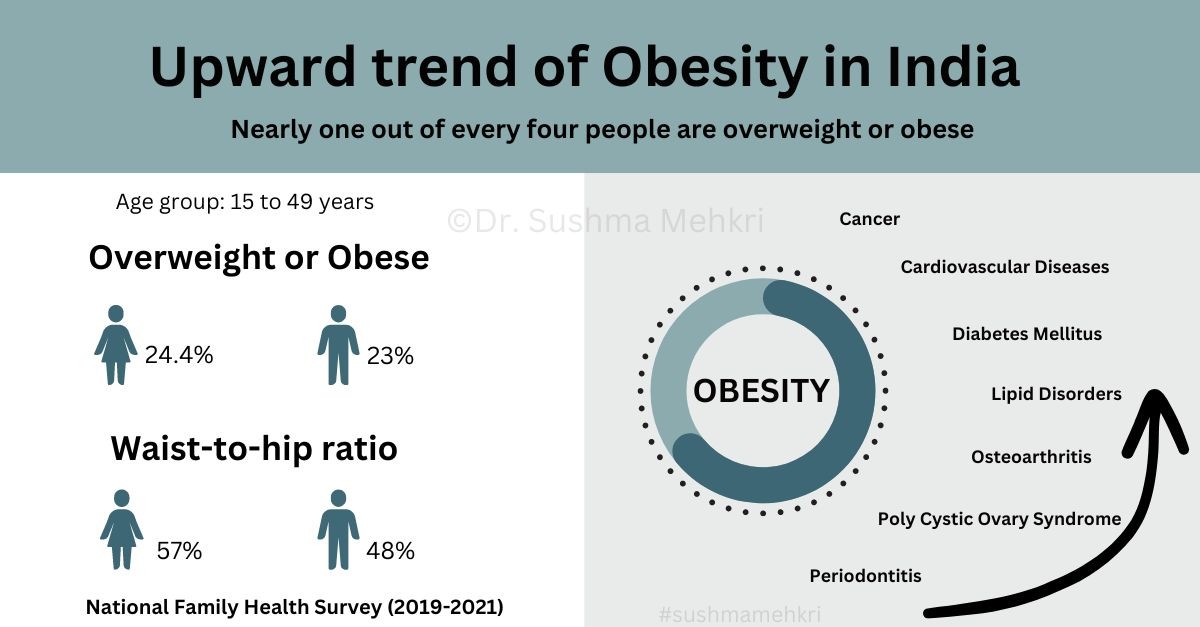
Statistics in India paint a concerning picture: belly fat is on the rise. This alarming trend can be traced back to several lifestyle shifts. The convenience of processed foods, often laden with sugar, unhealthy fats, and lacking in essential nutrients, has become increasingly popular. Unfortunately, these processed options offer little satiety, leading to overconsumption and weight gain, particularly around the belly.

Furthermore, our modern lives often involve less physical activity compared to previous generations. We spend more time sitting at desks, commuting by car, and glued to screens, all contributing to a decline in calorie expenditure. This lack of movement creates a situation where the body stores excess calories as fat, with belly fat being a prime target. Chronic stress is another significant culprit. When stressed, our bodies release cortisol, a hormone that promotes fat storage, particularly around the abdomen. This can lead to a vicious cycle, as belly fat itself can contribute to increased stress levels.
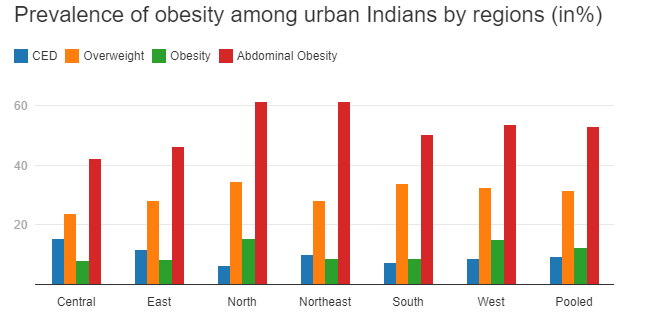
Belly Fat Statistics in India

Lifestyle and Belly Fat

Our daily choices play a major role in belly fat accumulation. Here’s how some common lifestyle habits can contribute:

  • Unhealthy Diet:
    • Processed foods: Often loaded with calories, sugar, unhealthy fats, and lacking in fiber. This combination can lead to overeating and weight gain, particularly around the belly.
    • Sugary drinks: Sodas, sports drinks, and fruit juices are packed with sugar, which contributes to increased calorie intake and fat storage.
    • Unhealthy fats: While some fats are essential, excessive saturated and trans fats found in fried foods, processed meats, and bakery items can promote belly fat accumulation.
  • Lack of Sleep:
    • Disrupts hormones like leptin (satiety hormone) and ghrelin (hunger hormone), leading to increased cravings and potential overeating.
    • Sleep deprivation can also impair your body’s ability to regulate blood sugar, further contributing to weight gain.
  • Chronic Stress:
    • Elevates cortisol levels, a hormone that promotes fat storage, particularly around the belly.
    • Stress can also lead to unhealthy coping mechanisms like emotional eating, hindering weight management efforts.

Belly fat can be more challenging to lose compared to other types of fat. This is because:

  • Visceral fat, located deep within the abdomen, is metabolically active and releases harmful substances into the body.
  • Genetics can play a role in how your body stores fat and the distribution of fat throughout your body.

Consequences Beyond Aesthetics

Belly fat isn’t just about how your clothes fit. It’s a sneaky culprit that can significantly impact your health in various ways. Here’s how excess belly fat can pose a serious threat:

1. Increased risk of chronic diseases

  • Heart Disease: Visceral fat releases hormones that can increase inflammation and contribute to plaque buildup in arteries, raising the risk of heart attacks and strokes.
  • Type 2 Diabetes: Excess visceral fat can impair insulin sensitivity, making it harder for your body to regulate blood sugar levels, leading to type 2 diabetes.
  • Certain Cancers: Studies suggest a link between excess visceral fat and an increased risk of developing some cancers, such as colorectal cancer.

2. Reduced mobility and physical limitations

A large amount of belly fat can restrict movement and make everyday activities like bending, reaching, or climbing stairs more challenging. This can lead to a decrease in overall fitness and independence.

2. Psychological impact

Excessive belly fat can contribute to low self-esteem, body image concerns, and even depression. Feeling uncomfortable in your own skin can affect your social interactions and overall well-being.

Lifestyle Habits for Belly Fat Reduction

A balanced diet rich in fruits, vegetables, whole grains, and lean protein plays a crucial role in belly fat reduction. Fruits and vegetables are rich in fiber, vitamins, and minerals, keeping you feeling full and reducing cravings. Whole grains provide sustained energy and regulate blood sugar levels. Lean protein promotes satiety and helps build muscle, which boosts metabolism.

Limiting processed foods, sugary drinks, and unhealthy fats is equally important. These are loaded with calories and low in nutrients. Reducing them helps to reduce calorie intake, control blood sugar levels, and promote healthy eating habits.

Another crucial factor is quality sleep. Aim for 7-8 hours of sleep each night. When sleep-deprived, your body produces more ghrelin (hunger hormone) and less leptin (satiety hormone), leading to increased cravings and potential weight gain.

Exercise and Belly Fat Loss

Regular physical activity is your key weapon in the fight against belly fat. It works in two powerful ways:

  • Calorie Burning: Exercise helps you burn off excess calories consumed throughout the day. The more intense the activity, the more calories you burn. Activities like brisk walking, swimming, cycling, or dancing are all excellent choices for calorie burning.
  • Metabolism Boost: Strength training builds muscle mass, which acts like a metabolic furnace. Even at rest, your body burns more calories to maintain this increased muscle. This afterburn effect helps you continue burning calories long after your workout is done.

Finding Your Exercise Groove

The key to sticking with an exercise routine is finding activities you enjoy. Don’t force yourself into activities you dread. Explore different options – try a group fitness class, hit the pool for a swim, or explore your neighborhood with a brisk walk. The important thing is to get your body moving consistently.

The Role of Metabolism in Weight Management

Metabolism is the complex process by which your body takes the food you eat and converts it into usable energy. This energy fuels all your bodily functions, from breathing and digestion to thinking and exercising. A higher metabolic rate means your body burns more calories throughout the day, even at rest. This can be a significant advantage for weight management, as it creates a calorie deficit – burning more calories than you consume – essential for weight loss.

Several factors influence your metabolic rate:

  • Basal Metabolic Rate (BMR): This is the number of calories your body burns at rest to maintain basic functions. It accounts for a significant portion of your total daily calorie expenditure. Muscle mass plays a key role in BMR – the more muscle you have, the higher your BMR.
  • Age: Unfortunately, metabolism tends to slow down with age. This is partly due to a decrease in muscle mass and partly due to changes in hormones.
  • Genetics: Some people are naturally predisposed to have a faster or slower metabolism.

While we can’t control factors like age and genetics, there are ways to potentially support a healthy metabolism:

  • Building Muscle: Strength training helps build and maintain muscle mass, which can boost your BMR and increase calorie burning even at rest.
  • Regular Exercise: Engaging in regular physical activity, even moderate-intensity exercise like brisk walking, can give your metabolism a temporary boost.
  • Healthy Diet: Eating a balanced diet rich in whole foods provides your body with the nutrients it needs to function optimally, potentially supporting healthy metabolic processes.

FD 369- The Metabolism Booster

Maintaining a healthy metabolism is crucial for weight management and overall well-being. During your belly fat reduction journey or workout routine, proper digestion plays a key role in nutrient absorption and energy utilization.

FD-369, an Ayurvedic supplement from The Diet Hub, is formulated with a blend of natural ingredients traditionally used in Ayurveda to support digestion. These ingredients include:

  • Flax Seed Oil: Rich in Omega-3 fatty acids and Lignan fibers, which may contribute to healthy cholesterol levels and a feeling of fullness.
  • Wheat Germ Oil: Packed with Vitamin E and other nutrients, it may support cellular health.
  • Lasuna Oil: Known for its heart-friendly properties in Ayurvedic practices.
  • Moringa Oil: A rich source of various beneficial compounds, including Beto-Sitosterol.

FD-369 can be a potential addition to your existing healthy lifestyle and exercise routine.

Conclusion

Conquering belly fat requires a multifaceted approach that addresses lifestyle habits, exercise, and metabolism. As we navigate the challenges of modern living, it’s crucial to prioritize healthy choices that support our well-being. By adopting a balanced diet, engaging in regular exercise, and potentially incorporating supplements like FD-369, we can embark on a transformative journey towards a trimmer waistline and improved overall health. Remember, small changes add up over time, so stay consistent and patient on your path to success.

Ready to take control of your belly fat and embrace a healthier lifestyle? Discover the power of FD-369, our Ayurvedic supplement designed to support digestion and metabolism, and unlock your full potential for a happier, healthier you. Visit our website today and start your journey towards conquering belly fat for good!
Read more

The Surprising Ways Your Lifestyle Impacts Heart Health

Your heart is your life force, yet so many of us take it for granted. We go through life eating junk food, not exercising, and dealing with constant stress without even thinking about how it impacts our ticker. But the truth is, your lifestyle choices have a huge effect on your heart health. In this article, we’ll explore some of the not-so-obvious ways your daily habits can either strengthen or weaken your heart. You might be surprised to learn just how much control you have over this vital organ. After reading this, you’ll walk away with simple, practical tips to show your heart some love. Even small changes to your routine can make a big difference, so let’s dive in and learn how to keep that blood pumping!

Understanding Lifestyle Heart Disease

As the old saying goes, “you are what you eat.” The foods you consume and the way you live your life can have a significant impact on your heart health. Lifestyle factors like unhealthy diet, lack of exercise, stress, sleep, and unhealthy habits are major contributors to heart disease and other cardiovascular problems.

Unhealthy Diet

Unhealthy Fats: When you consume excessive saturated and trans fats, they build up in your arteries as plaque. This plaque narrows the arteries, reducing blood flow to your heart. This restricted flow forces your heart to work harder and weakens it over time, increasing the risk of angina (chest pain) and heart attack.

Lack of Exercise

Lack of Movement: Regular physical activity strengthens your heart muscle, allowing it to pump blood more efficiently. Without exercise, the heart muscle weakens, leading to inefficient blood flow and decreased oxygen delivery to the body’s tissues. This can cause fatigue, shortness of breath, and an increased risk of heart failure.

Chronic Stress

When you’re constantly stressed, your body releases hormones like cortisol and adrenaline. These hormones raise your blood pressure and heart rate, putting extra strain on your heart. Over time, chronic stress can damage the blood vessel lining and increase inflammation throughout the body, both factors contributing to heart disease.

Poor Sleep

When you don’t get enough sleep, your body doesn’t have adequate time to repair and recharge. This can lead to hormonal imbalances, including increased cortisol levels, which contribute to high blood pressure and inflammation – risk factors for heart disease. Additionally, sleep deprivation can disrupt your body’s natural ability to regulate blood sugar, potentially leading to diabetes, another risk factor.

Smoking

Smoking directly damages the lining of your blood vessels, making them more susceptible to plaque buildup. It also increases the risk of blood clots by interfering with your blood’s clotting ability. These combined effects significantly narrow arteries, reduce blood flow to the heart, and raise the risk of heart attack and stroke. Smoking also weakens your heart muscle and decreases its pumping efficiency.

Making lifestyle changes may be challenging, but your heart will thank you. Talk to your doctor about the best ways for you to improve your diet, increase exercise, reduce stress and get better sleep. Every small step you take towards a healthier lifestyle will have big benefits for your heart and overall wellbeing.

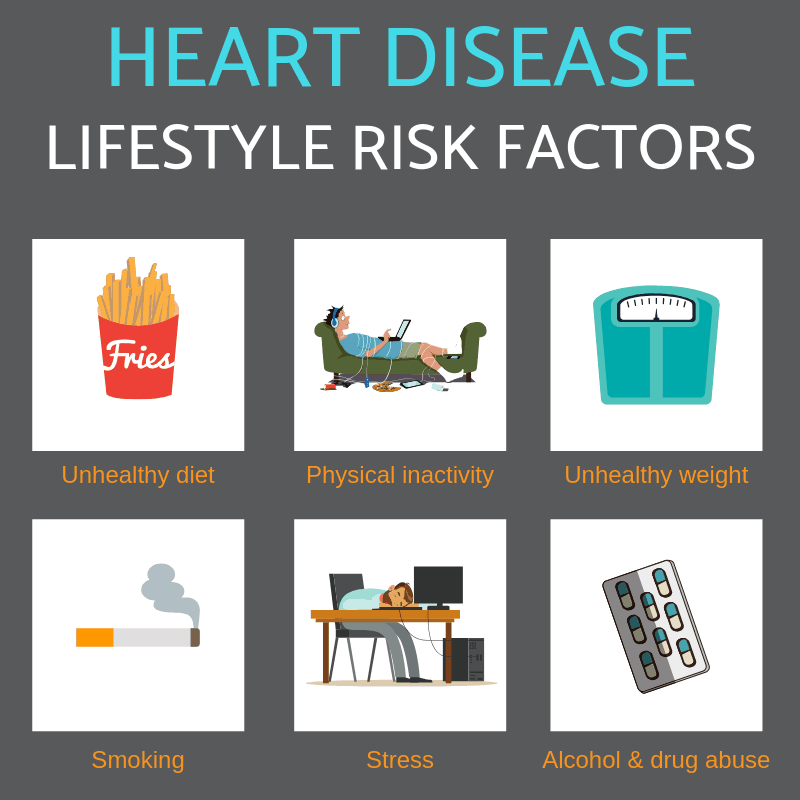
Lifestyle risk factors for heart health

The Impact of Diet on Cardiovascular Health

What you put into your body has a direct effect on your heart health. Following an unhealthy diet high in saturated fat, salt, and processed carbs can increase your risk of high blood pressure, high cholesterol, obesity, and diabetes-which are all risk factors for heart disease.

Limit Saturated Fat and Red Meat

Diets high in saturated fat from red meat and full-fat dairy products can raise LDL or “bad” cholesterol levels in your blood. Aim for no more than 6% of your daily calories from saturated fat. Replace some red meat with fish, chicken, beans, and legumes which contain heart-healthy fats.

Watch Your Salt Intake

Too much sodium in your diet can cause high blood pressure and lead to heart disease over time. Most of the sodium in the average diet comes from processed foods, fast food, and restaurant meals. Try to limit sodium to no more than 2300 mg per day. Season your food with herbs and spices instead of salt. Compare nutrition labels and choose low-sodium options whenever possible.

Choose Heart-Healthy Fats

Not all fats are bad for your heart. Monounsaturated fats from olive oil, nuts, and avocados and polyunsaturated fats like omega-3s in fatty fish can help lower heart disease risk, Aim for two servings of fish per week and use olive or canola oil for cooking and salad dressings. Snack on a handful of almonds or walnuts each day.

Eat More Whole Grains and Fiber

A diet high in whole grains, fruits, and vegetables provides fiber that can help lower cholesterol and control weight. Try to get at least 25 to 30 grams of fiber per day from oats, barley, beans, broccoli, berries, and other high-fiber foods. Limit processed grains like white bread and white rice which have little nutritional value.

Making healthy changes to your diet can have life-changing benefits for your heart and overall health. Focus on lean proteins, heart-healthy fats, and fiber-rich whole foods for the biggest impact. Your heart will thank you!

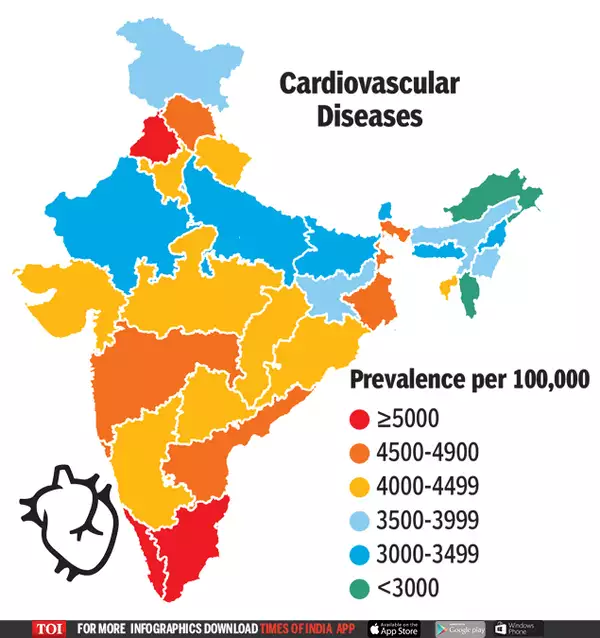
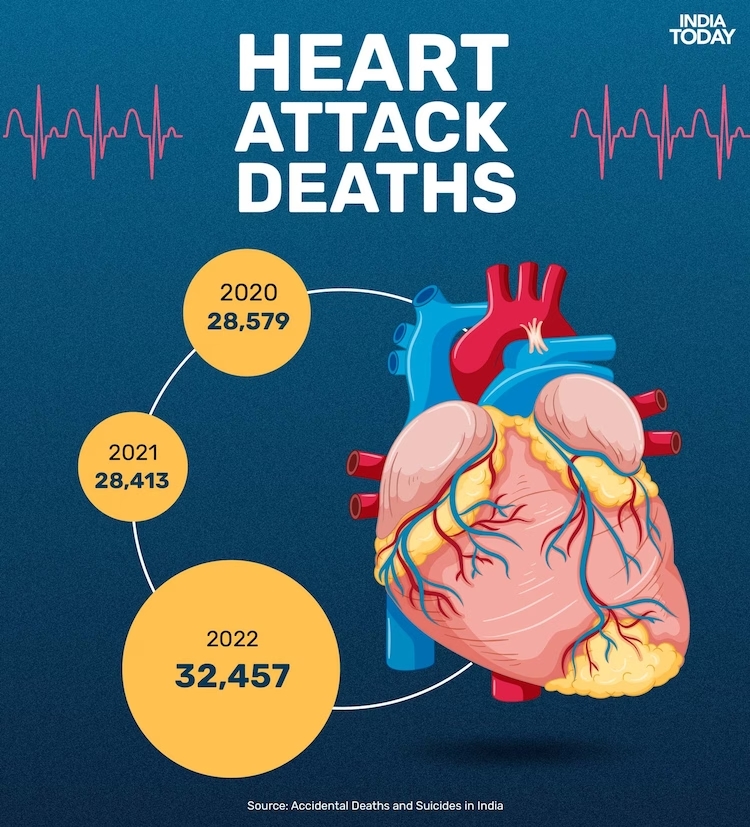
Prevalence of Cardiovascular Diseases in India

This infographic from The Times of India shows the prevalence of cardiovascular diseases (CVDs) across India. CVDs are the leading cause of death in India, and the infographic shows that the prevalence of CVDs is highest southern parts of the country. The infographic also includes a key that explains the different levels of prevalence. For example, areas in red have the highest prevalence of CVDs, with more than 5,000 cases per 100,000 people.

Here are some other facts about CVDs in India:

  • One in four adults in India has high blood pressure, a major risk factor for CVDs.
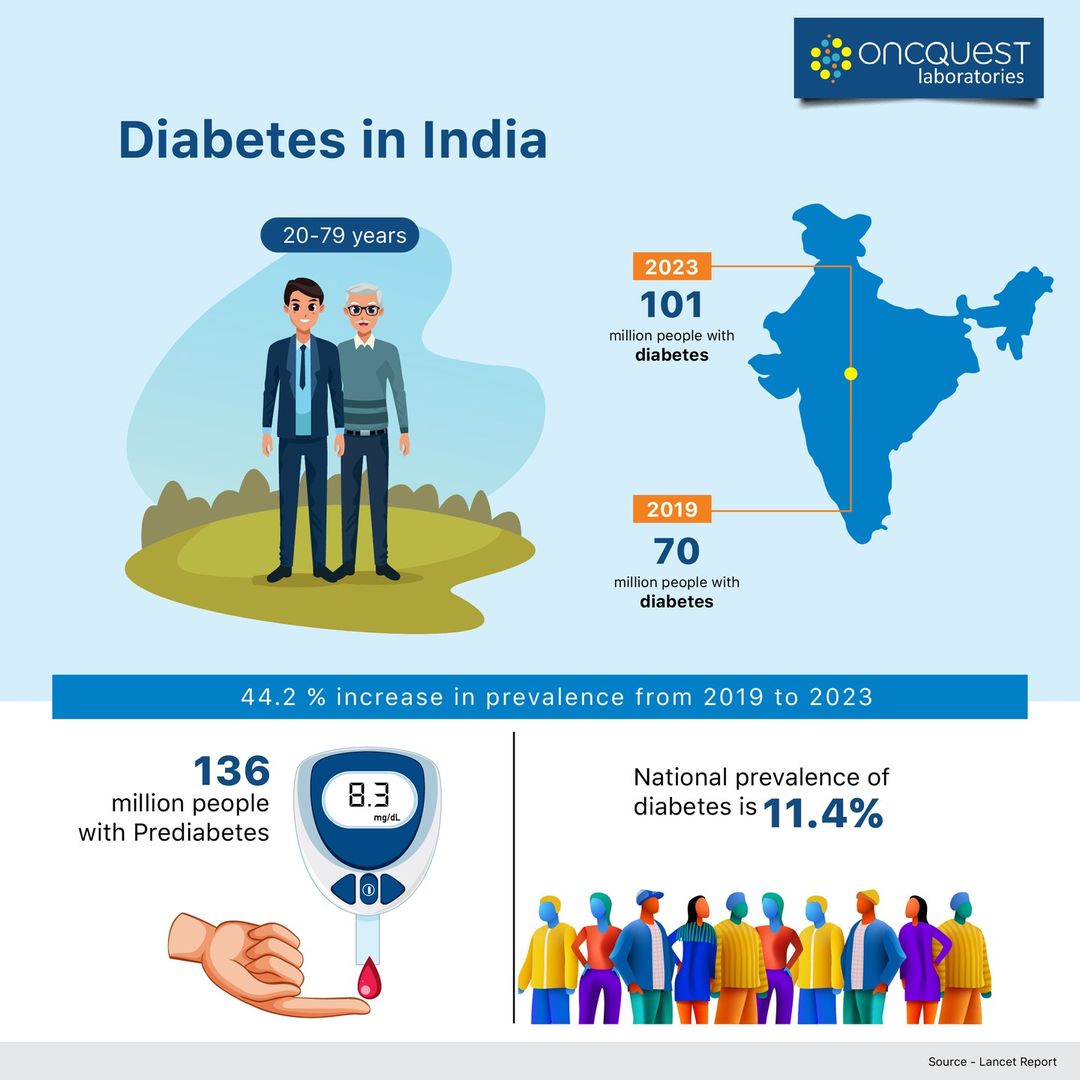
  • Diabetes is another major risk factor for CVDs, and India has one of the highest rates of diabetes in the world.
  • Unhealthy lifestyle habits, such as smoking, tobacco use, unhealthy diet, and physical inactivity, also contribute to the high burden of CVDs in India.

Take Charge of Your Heart Health with Cardiodiet: The Ayurvedic Way

Heart disease is a leading health concern globally. While medication plays a crucial role in managing this condition, focusing on a heart-healthy lifestyle is equally important. This includes a well-balanced diet, regular exercise, and stress management.

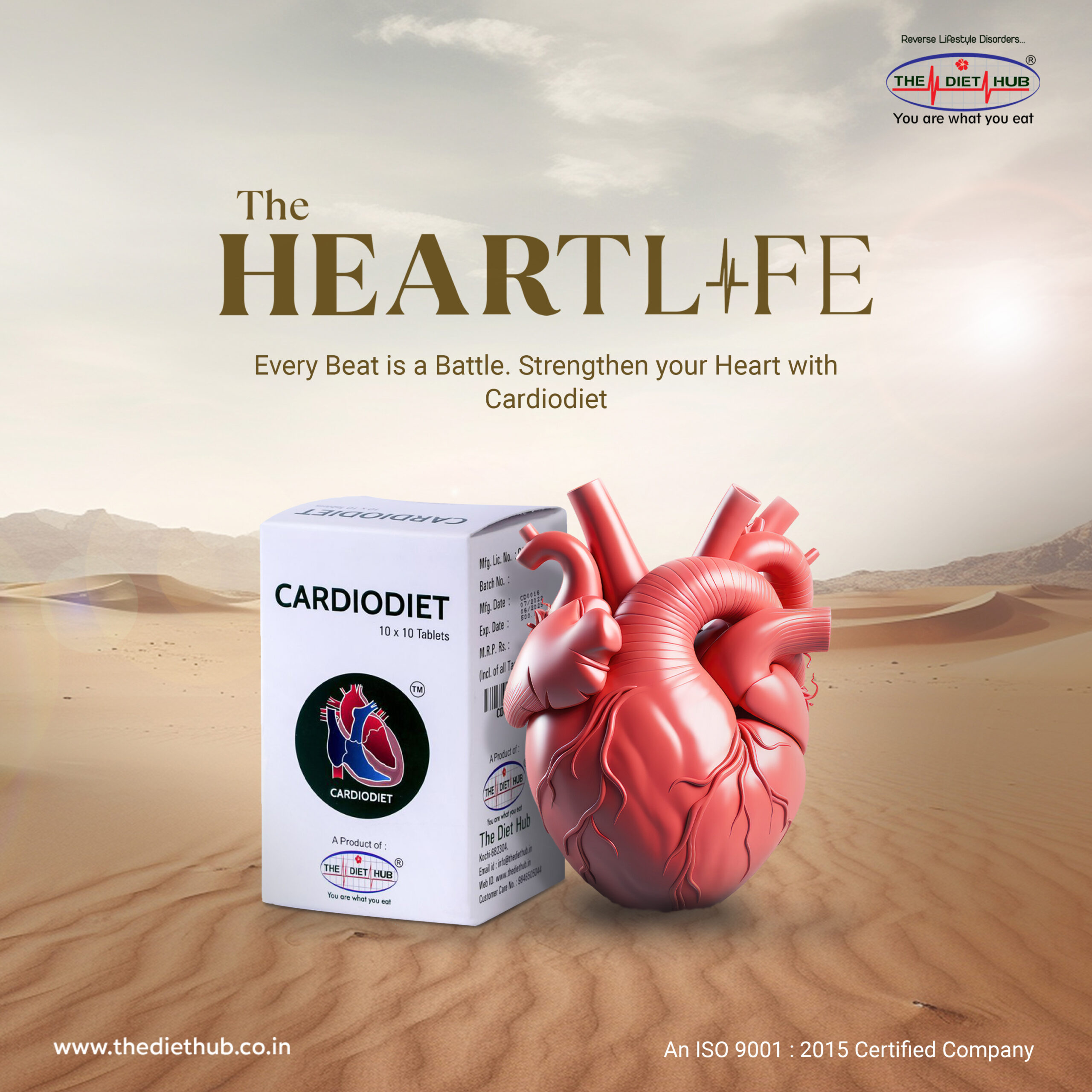
Cardio diet

The Power of a Cardiodiet

The Cardiodiet formula is designed to complement your heart-healthy lifestyle by providing a blend of natural ingredients that may potentially support healthy heart function.

Cardiodiet’s Potential Benefits

Healthy Blood Pressure: The ingredients in Cardiodiet may contribute to potentially maintaining healthy blood pressure levels.

Improved Circulation: This formula may offer potential benefits for supporting healthy blood flow throughout the body, including the coronary arteries that nourish your heart.

Cardiodiet is intended as a dietary supplement and should be used alongside a healthy lifestyle for optimal heart health. This includes:

Eating a balanced diet: Focus on fruits, vegetables, whole grains, and lean protein while limiting unhealthy fats, processed foods, and added sugar.

Regular exercise: Aim for at least 30 minutes of moderate-intensity exercise most days of the week.

Managing stress: Find healthy ways to manage stress, such as yoga, meditation, or spending time in nature.

Taking Control of Your Heart’s Health

Prioritizing a heart-healthy lifestyle is key to managing and potentially reversing the effects of heart disease. Explore how a Cardiodiet supplement, combined with a healthy diet, exercise, and stress management, can empower you to take charge of your heart health.

Conclusion

Your heart health is significantly impacted by your daily habits. Simple changes to your diet, exercise routine, stress management, and sleep patterns can make a world of difference. The Cardiodiet formula can serve as a valuable supplement alongside these lifestyle changes, potentially supporting healthy blood pressure and circulation. Remember, consult your physician before starting any new supplement and discuss how to create a holistic approach to keeping your heart strong and healthy.

Read more

Lifestyle Diseases: Causes, Impacts, and Prevention Strategies

You likely know that chronic diseases like heart disease, stroke, cancer, and diabetes are among the most common, costly, and preventable of all health problems. What you may not realize is that four modifiable health behaviors – lack of exercise, poor nutrition, tobacco use, and excessive alcohol consumption – are responsible for much of the illness, suffering, and early death related to these lifestyle diseases.

In this article, you will learn about the primary causes of lifestyle diseases, their negative impacts on individuals and society, and evidence-based strategies to prevent these disorders by making simple but impactful changes to daily habits and routines. Equipped with this knowledge, you will be empowered to make choices that significantly reduce your risk and help you live an active, healthy life.

What Are Lifestyle Diseases and Disorders?

Lifestyle diseases, also known as non-communicable diseases, are medical conditions or diseases caused or aggravated primarily due to lifestyle or behavioral factors. Some of the major lifestyle diseases include:

Heart disease and stroke

Heart disease and stroke are the leading causes of death globally. They are caused by unhealthy diet, physical inactivity, tobacco use and harmful use of alcohol. Making positive lifestyle changes can help prevent and manage these diseases.

Cancer

Cancer is a leading cause of death worldwide and the most prevalent lifestyle-related cancer types are lung, colorectal and breast cancers. Exposure to tobacco, unhealthy diet, obesity and physical inactivity are the most common risk factors for developing cancer. Adopting a balanced diet, maintaining a healthy weight and limiting alcohol intake can help lower the risk.

Diabetes

The global diabetes epidemic is linked to overweight and obesity, unhealthy diet and physical inactivity. Type 2 diabetes, the most common form, can often be prevented or delayed by lifestyle changes. Losing excess weight, following a healthy diet and engaging in regular physical activity are effective ways to help prevent or control diabetes.

Chronic respiratory diseases

Chronic obstructive pulmonary disease (COPD) and asthma are common chronic respiratory diseases associated with tobacco use, air pollution and occupational chemicals and dusts exposure. Avoiding tobacco products and exposure to air pollutants can help prevent these respiratory conditions.

Lifestyle Diseases graph

Common Lifestyle Diseases: Heart Disease, Diabetes, Obesity

Heart Disease

Heart disease refers to several conditions that affect the structure and functions of the heart, including coronary artery disease, high blood pressure, and stroke. The primary cause of heart disease is atherosclerosis, which is the buildup of plaque in the arteries. Plaque is made up of fat, cholesterol, calcium, and other substances found in the blood.

As plaque accumulates in the arteries, the arteries narrow and stiffen, limiting blood flow. This can lead to chest pain, high blood pressure, heart attack, and other complications. The major risk factors for heart disease are smoking, high cholesterol, high blood pressure, physical inactivity, obesity, and diabetes. Making positive lifestyle changes can help prevent and treat heart disease.

Diabetes

Diabetes mellitus refers to a group of diseases that affect how the body produces or uses insulin. Insulin is a hormone that regulates blood sugar levels. In diabetes, the body does not make enough insulin or does not use insulin well, causing glucose to build up in the blood. Over time, high blood sugar levels can lead to serious health problems like heart disease, blindness, and kidney disease.

The two most common types of diabetes are type 1 diabetes, in which the body does not produce insulin, and type 2 diabetes, in which the body does not use insulin effectively. Maintaining a healthy weight, eating well, and exercising regularly can help prevent and manage type 2 diabetes. For type 1 diabetes, insulin injections are required to control blood sugar levels.

Obesity

Obesity refers to excessive amounts of fat accumulation in the body. It has become a global epidemic and major contributor to chronic health conditions like heart disease, diabetes, and cancer. Obesity is the result of an imbalance between energy intake from the diet and energy expenditure from physical activity and metabolism, Genetics, hormone levels, and certain medical conditions can also influence a person’s weight.

Losing weight and maintaining a healthy weight through improved diet and exercise is the primary strategy for preventing and managing obesity. Even modest weight loss of 5 to 10 percent of total body weight can have significant health benefits.

Causes of Lifestyle Diseases

Poor Diet

Consuming a diet high in calories, fat, sugar and salt but low in nutrients is a major contributor to lifestyle diseases. Eating excess refined carbohydrates, red meat and processed foods can lead to weight gain and obesity. It also increases the risk of diseases like diabetes, heart disease and some cancers. Replacing unhealthy food options with more nutritious choices like fruits and vegetables, whole grains, and lean proteins can help prevent and manage lifestyle diseases.

Physical Inactivity

Lack of regular exercise or physical activity accelerates aging and reduces lifespan. It is a risk factor for obesity, cardiovascular disease, high blood pressure, diabetes, stroke and some forms of cancer. Engaging in at least 30 minutes of moderate exercise most days of the week can help maintain a healthy weight and significantly reduce health risks. Simple lifestyle changes like walking instead of driving short distances, using stairs instead of elevators, and engaging in active hobbies can provide health benefits.

Smoking

Tobacco use is a major cause of lung diseases, heart disease and various types of cancer. Smoking constricts blood vessels, raises blood pressure and heart rate, and makes blood more likely to clot. It stains the lungs, fingernails and teeth yellow and causes premature aging of the skin. Secondhand smoke also poses risks to non-smokers. The health benefits of quitting smoking begin immediately and continue for life. Quitting will significantly reduce health risks and add years of life.

The Impact of Lifestyle Diseases on Health and Wellbeing

The rise of lifestyle diseases poses a serious threat to human health and wellbeing. These diseases, also known as non- communicable diseases, are linked to unhealthy lifestyles and choices. Examples include heart disease, stroke, diabetes, and certain types of cancer. According to the World Health Organization, lifestyle diseases are the leading cause of death globally, killing 41 million people each year.

Physical Health

Lifestyle diseases often lead to long-term health issues and reduced quality of life. Heart disease and stroke, for instance, can cause cardiac arrest or permanent disability. Diabetes may result in kidney failure, blindness, and limb amputations. Cancer typically requires intensive treatment like surgery, chemotherapy, and radiation therapy which damage healthy cells in addition to eradicating tumors.

Mental Health

In addition to physical effects, lifestyle diseases frequently trigger psychological issues like depression and anxiety. The stress and trauma of diagnosis and treatment, as well as the uncertainty of prognosis, can significantly impact mental health and wellbeing. Financial difficulties from healthcare costs and lost work hours also contribute to worry and distress.

Economic Costs

Lifestyle diseases do not just impact health; they also carry a high economic cost. Healthcare spending on these diseases accounts for over 70% of global health expenditures according to the WHO. Costs are incurred from frequent doctor visits, hospitalizations, procedures, and long-term medication and care. There are also indirect costs from lost productivity when people cannot work due to illness.

The most effective way to curb the threat of lifestyle diseases is through prevention and promotion of healthy lifestyles. Eating nutritious diets, exercising regularly, avoiding tobacco and excessive alcohol, and managing stress can help stop these diseases before they start and allow people to lead longer, higher-quality lives. Individuals, communities, and governments must work together to facilitate healthy choices and build environments where the healthy option is the easy option.

Preventing and Managing Lifestyle Diseases Through Lifestyle Changes

Lifestyle Diseases prevention methods

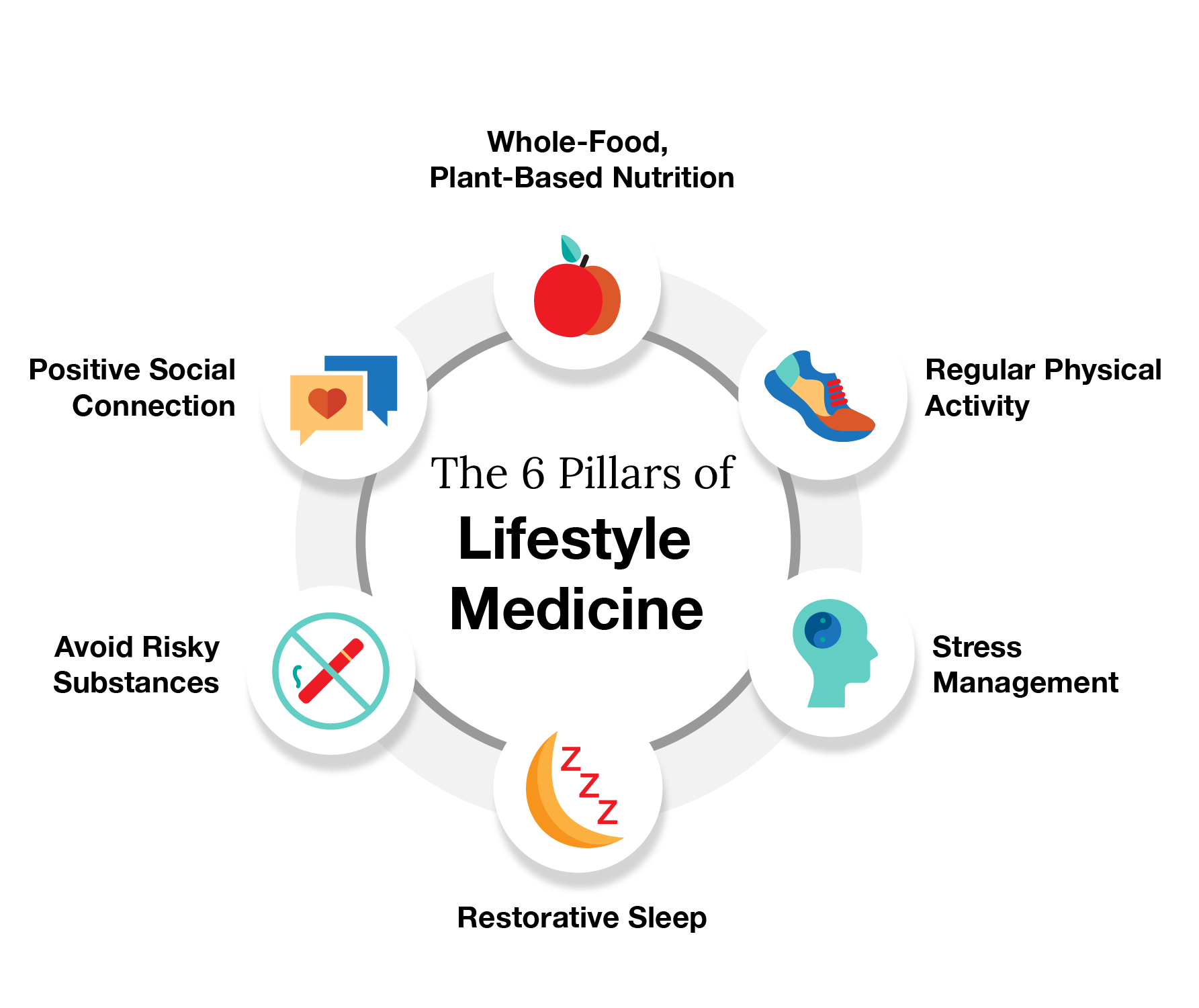
To prevent lifestyle diseases and manage existing conditions, implement positive lifestyle changes. Alterations to diet and exercise are particularly impactful.

Dietary Changes

A balanced diet low in sugar, salt, fat and red meat can help prevent and manage lifestyle diseases. Focus on whole grains, fruits and vegetables, lean proteins. Limit excess sugar, sugary beverages and processed/fast foods. Portion control is also key. These changes help achieve and maintain a healthy weight, control blood pressure/cholesterol, and reduce disease risk.

Exercise Regularly

Exercise lowers disease risk, helps manage weight and improves stamina/flexibility. Aim for at least 30 minutes of moderate activity most days. Walking, swimming or light strength training are good options. Start slowly and build up as able. Exercise lowers blood pressure/cholesterol, controls blood sugar and boosts metabolism. For those with existing conditions, consult your doctor before beginning an exercise program.

Manage Other Risk Factors

Additional lifestyle changes include:

•Reducing stress through meditation, yoga or deep breathing. High stress contributes to lifestyle diseases.

•Getting adequate sleep. Most adults need 7-9 hours of sleep per night to function optimally. Lack of sleep disrupts hormones and metabolism.

•Avoiding substance abuse. Excessive alcohol or drug use damages health and contributes to disease.

•Practicing good hygiene like brushing/flossing teeth and washing hands frequently. This lowers risks of some infections that may exacerbate lifestyle diseases.

Making permanent lifestyle changes can have significant impacts on both disease prevention and management. While challenging, focusing on balanced diet, regular exercise, stress reduction and limiting unhealthy habits can help add years of healthy life. Consult your doctor for guidance on a customized plan based on your unique health needs.

Conclusion

You now have a deeper understanding of the major lifestyle diseases afflicting society today. By examining their causes and impacts, you can take action to protect your health through prevention strategies like regular exercise, a balanced diet, avoiding tobacco, managing stress, and scheduling annual checkups. While genetics plays a role, many of the risk factors are within your control. Small, consistent lifestyle adjustments add up over time to reduce your chances of developing a condition like heart disease, cancer, or diabetes. Knowledge is power when it comes to your health. Stay vigilant and proactive, and you will be rewarded with better well-being now and in the future.

Don’t let lifestyle diseases control your life! This blog explored the causes and impacts of these chronic conditions, but the power to prevent them lies within you.

The Diet Hub offers a range of Ayurvedic solutions formulated to support your journey towards a healthier lifestyle. Our all-natural products can help manage weight, improve blood sugar control, and promote overall well-being.

Ready to make a change? Visit The Diet Hub today and discover how Ayurveda can empower you to prevent and even reverse lifestyle diseases. Let’s embrace a healthier future, together!

Read more

How Your Lifestyle is linked with PCOS?

You’ve been dealing with crazy irregular periods, excess hair growth, and weight gain that you just can’t seem to manage. It’s frustrating trying to get answers and figure out why your body is out of whack. You finally get diagnosed with PCOS and start wondering how your lifestyle might be contributing. Turns out, the way you live can have a direct impact on PCOS symptoms. From diet and exercise to sleep and stress, the habits you build make a difference. As you learn to adjust certain lifestyle factors, you may find some relief. This article will explore the connection between lifestyle and PCOS, arming you with actionable tips to start feeling better from the inside out.

Understanding PCOS and Its Symptoms


Polycystic ovary syndrome or PCOS refers to a hormonal imbalance that affects roughly 1 in 10 women. With PCOS, your ovaries may develop numerous small cysts and you may experience symptoms like irregular periods, excess hair growth, and difficulty getting pregnant. The exact cause of PCOS isn’t fully understood but some factors that may contribute to it include:

  • Genetics: PCOS seems to run in families and having a close female relative with PCOS increases your risk.
  • Insulin resistance: Your body’s cells don’t respond properly to the hormone insulin, causing high insulin levels. Insulin resistance may lead to weight gain and influence the development of PCOS.
  • Inflammation: Some research suggests that low-grade inflammation may play a role in PCOS. Inflammation could influence insulin resistance and reproductive health.
  • Excess androgen: Women with PCOS often have abnormal hormone levels, including higher levels of male sex hormones like testosterone. Excess androgens interfere with the development and release of eggs from the ovaries.
pcos
Polycystic ovary syndrome. PCOS hormonal diagnose. Female reproductive system with ovary, uterus, fallopian tubes. Female organs disease

Some common symptoms of PCOS

  • Irregular or absent periods: You may have fewer than 8 periods a year or skip
    periods altogether due to lack of ovulation.
  • Acne and excess facial or body hair: Due to higher male hormone levels.
  • Weight gain or difficulty losing weight: Which is often centered around the abdomen.
  • Infertility or difficulty getting pregnant: Due to lack of ovulation or infrequent ovulation.
  • Pelvic pain: From enlarged ovaries with cysts.
  • Sleep apnea: Excess weight and hormonal changes may increase the risk of this sleep disorder.
  • Depression or anxiety: Likely related to the challenges of living with and managing PCOS symptoms.

The symptoms and severity of PCOS can vary from woman to woman. Some women may experience mild symptoms while others can have more severe symptoms. The good news is PCOS is a manageable condition and many symptoms can be improved with lifestyle changes, medication, supplements or medical procedures. Talk to your doctor about the best treatment options based on your symptoms and health needs.

Lifestyle Factors That Can Worsen PCOS

Several lifestyle factors have been linked to increasing PCOS symptoms or making The condition harder to manage. The good news is, many of these are within your control By making healthy lifestyle changes, you can help alleviate PCOS and improve your quality of life

  • Excess Weight

Carrying extra weight, especially in the abdominal area, is common for women with PCOS and can exacerbate symptoms. Losing weight and staying at a healthy BMI can help regulate your menstrual cycle, improve fertility, and lower your risks for other complications like diabetes and heart disease. Aim for losing 1-2 pounds per week Through a balanced diet and exercise.

  • Poor Diet

Eating an unbalanced diet high in refined carbohydrates, sugar, and unhealthy fats can spike insulin levels, promote inflammation, and worsen PCOS signs. Focus on lean proteins, high-fiber whole grains, fresh fruits and vegetables, and healthy fats like nuts and olive oil. Limit red meat, sugar, and processed foods. Staying hydrated and drinking plenty of water also helps your body function properly.

  • Lack of Exercise

Exercise is vital for PCOS management, Being sedentary reduces insulin sensitivity and can lead to weight gain. Aim for at least 30 minutes of moderate exercise most days of the week. Walking, jogging, yoga, and strength or circuit training are all great options. In addition to burning calories, exercise helps improve sleep, boost mood, and relieve stress -all of which can positively impact PCOS

  • Chronic Stress

Too much cortisol, the stress hormone, can exacerbate PCOS by raising inflammation and blood sugar levels. Practicing self-care techniques like meditation, deep breathing journaling, or yoga nidra can help lower your stress levels. Getting enough sleep, limiting alcohol and caffeine intake, and spending time with others who support you can also help you feel more balanced and better equipped to handle life’s demands

Making healthy lifestyle changes may require effort, but the rewards of improved health and PCOS management are well worth it. Focus on progress, not perfection, and be gentle with yourself along the way. With time and practice, these good habits will become second nature.

Fibrocid: Nature’s Support for Balanced Wellness

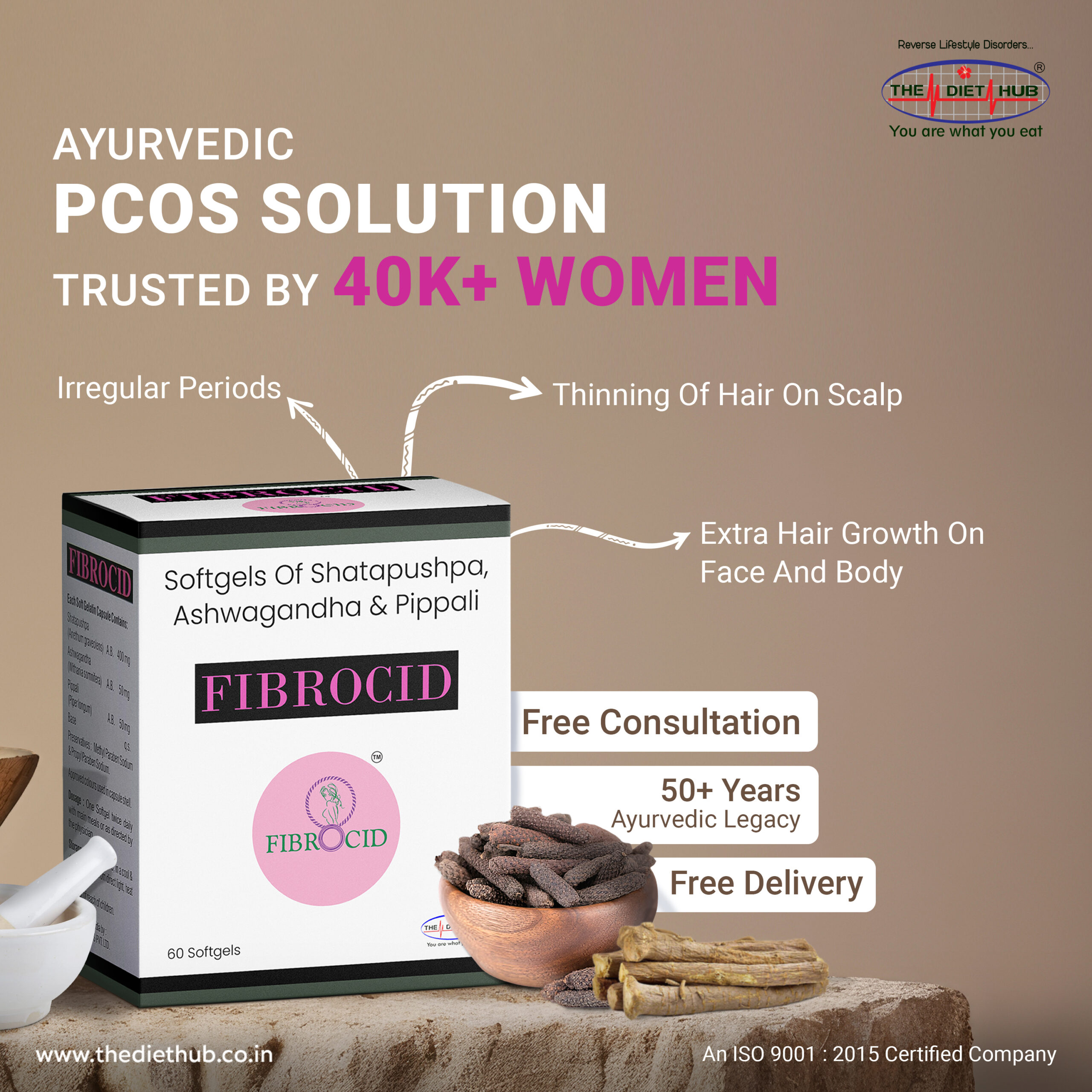
Fibrocid is a unique blend of powerful Ayurvedic herbs specifically formulated to support women with PCOS. It harnesses the wisdom of ancient healing traditions, offering a natural approach to manage symptoms and promote overall well-being.

Key Ingredients and Their Benefits

  • Lodhra: Traditionally used to promote healthy reproductive tissue and regulate hormonal balance.
  • Ashwagandha: An adaptogenic herb known to reduce stress, improve insulin sensitivity, and support hormonal balance.
  • Shatavari: Nourishes the female reproductive system, balances hormones, and promotes overall vitality.
  • Guggulu: Supports detoxification, healthy metabolism, and balances Kapha dosha, which is often aggravated in PCOS.


How Fibrocid Complements Your Lifestyle Efforts

By incorporating Fibrocid alongside your healthy lifestyle choices, you can potentially experience:

  • More regular menstrual cycles: Fibrocid may help regulate ovulation and hormone levels, leading to predictable periods.
  • Reduced unwanted hair growth: Balanced hormones can minimize excessive hair growth on the face and body.
  • Improved skin health: The anti-inflammatory properties of the herbs may help manage acne and promote clearer skin.
  • Weight management support: Fibrocid can aid in healthy weight management by improving insulin sensitivity and metabolism.
  • Enhanced overall well-being: The adaptogenic and balancing properties of the herbs can promote stress resilience, better sleep, and increased energy levels.
Fibrocid, The ayurvedic supplement for pcos

Conclusion


Living with PCOS can be challenging, but remember, you’re not alone. By understanding how your lifestyle choices impact your symptoms, you can take control and pave the way for a healthier, more balanced you. Implementing healthy habits like balanced diet, regular exercise, stress management, and adequate sleep lays the foundation for positive change.

Fibrocid, with its unique blend of Ayurvedic herbs, can be a valuable companion on your journey. It offers natural support for managing PCOS symptoms, potentially leading to more regular cycles, reduced unwanted hair growth, improved skin health, weight management assistance, and enhanced overall well-being.

Remember, consistency is key. Embrace the gradual progress and celebrate your victories along the way. Fibrocid, combined with healthy lifestyle choices and open communication with your doctor, can empower you to manage your PCOS and live a fulfilling life.

Visit The Diet Hub website to learn more about Fibrocid and explore other Ayurvedic solutions. We are here to support you on your journey towards a healthier and happier you.

Read more