Digestive disorders refer to a broad range of conditions that affect the gastrointestinal (GI) tract, which includes the esophagus, stomach, intestines (both small and large), liver, pancreas, gallbladder, and rectum. These disorders can disrupt the normal process of digestion, leading to symptoms such as nausea, vomiting, bloating, gas, diarrhea, constipation, and abdominal pain.
How Ayurveda Heals Digestive Disorders: A Holistic Approach
Digestive health is a cornerstone of overall well-being, as emphasized in Ayurveda, an ancient system of medicine that originated in India over 5,000 years ago. Ayurveda not only treats digestive disorders but also provides a comprehensive approach to maintaining long-term digestive health by balancing the body, mind, and soul. In this blog, we’ll explore how Ayurveda addresses various digestive disorders through its holistic practices, diet, and lifestyle recommendations.
Understanding the Ayurvedic Perspective on Digestion
In Ayurveda, digestion is governed by “Agni,” or digestive fire, which is responsible for breaking down food and absorbing nutrients. A balanced Agni is crucial for good health, while an impaired Agni leads to the accumulation of toxins, known as “Ama,” which can cause various digestive disorders. The three doshas—Vata, Pitta, and Kapha—play a significant role in digestion, and imbalances in these doshas can lead to different types of digestive issues.
Vata Imbalance: Often leads to bloating, constipation, and gas.
Pitta Imbalance: Can cause acidity, heartburn, and inflammation.
Kapha Imbalance: Results in sluggish digestion, heaviness, and nausea.
Ayurveda focuses on restoring the balance of these doshas to treat and prevent digestive disorders.
Common Digestive Disorders and Ayurvedic Solutions
Ayurveda addresses a wide range of digestive disorders, offering natural and personalized treatments. Here are some common issues and how Ayurveda can help:
Irritable Bowel Syndrome (IBS): Often linked to Vata imbalance, IBS is managed through a Vata-pacifying diet, which includes warm, cooked foods and herbs like fennel and ginger.
Gastritis: Associated with Pitta imbalance, Ayurveda recommends cooling foods and herbs such as licorice and aloe vera to soothe inflammation.
Constipation: A result of Vata imbalance, treated with hydrating foods, warm water, and herbs like Triphala.
Acid Reflux: Managed by balancing Pitta through diet adjustments and the use of herbs like amla and fennel.
Key Ayurvedic Practices for Digestive Health
Ayurveda emphasizes a holistic approach, which includes diet, lifestyle, and mental well-being to maintain digestive health.
Mindful Eating: Eating in a calm environment, without distractions, helps in better digestion. Chewing food thoroughly and eating at regular intervals supports Agni.
Incorporating Six Tastes: Ayurveda recommends including all six tastes (sweet, sour, salty, bitter, pungent, and astringent) in meals to satisfy the senses and enhance digestion.
Herbal Remedies: Herbs like Triphala, ginger, cumin, and coriander are integral to Ayurvedic treatments. Triphala, for instance, is a blend of three fruits that supports digestion and detoxification.
Yoga and Pranayama: Certain yoga poses like twists and forward bends can help massage digestive organs and improve digestion. Pranayama (breathing exercises) reduces stress, which is crucial for a healthy gut.
Detoxification: Regular detox practices such as fasting and consuming herbal teas help cleanse the digestive system and maintain balance.
The Holistic Difference: Ayurveda vs. Conventional Treatments
Unlike conventional medicine, which often focuses on symptom relief, Ayurveda seeks to address the root cause of digestive disorders by restoring balance to the body’s doshas. This holistic approach not only heals the digestive system but also enhances overall well-being by considering the interconnectedness of diet, lifestyle, and mental health.
Start your day with warm water and lemon to kickstart digestion.
Follow a routine that includes regular meals and sufficient hydration.
Incorporate yoga, meditation, and mindful eating habits into your daily routine.
Consult an Ayurvedic practitioner to tailor dietary and lifestyle changes according to your unique constitution.
By embracing these Ayurvedic principles, you can not only heal existing digestive disorders but also prevent future issues, leading to a healthier, more balanced life.
Conclusion
Ayurveda offers a time-tested, holistic approach to healing digestive disorders by addressing the root causes and promoting overall balance in the body. By integrating Ayurvedic practices into your daily life, you can enhance your digestive health and enjoy a better quality of life. “The Diet Hub” is committed to providing valuable insights into Ayurveda and its benefits, empowering you to make informed decisions about your health.
Ready to transform your health and wellness journey? At The Diet Hub, we’re dedicated to guiding you towards a healthier, happier you. Whether you’re looking to lose weight, improve digestion, or simply eat better, we offer personalized diet plans, expert advice, and a supportive community to help you achieve your goals. Don’t wait—take the first step today! Join us at The Diet Hub and start living your best life with a diet tailored just for you.
Joint pain is a common ailment that can affect people of all ages, often hindering daily activities and reducing quality of life. The pain can stem from various causes, such as arthritis, injuries, or other medical conditions. While modern medicine offers several treatments, many individuals seek natural alternatives to avoid the side effects of conventional drugs. Ayurveda, an ancient system of medicine from India, provides numerous home remedies for joint pain relief. These remedies focus on holistic healing, balancing the body’s energies, and using natural ingredients to reduce inflammation and pain. Here, we explore some effective Ayurvedic home remedies for joint pain relief.
Understanding Joint Pain in Ayurveda
In Ayurveda, joint pain is often linked to an imbalance in the Vata dosha, which governs movement and circulation in the body. Excessive Vata can lead to dryness, stiffness, and pain in the joints. Ayurvedic remedies aim to pacify Vata and restore balance, utilizing herbs, dietary adjustments, and lifestyle changes.
Preparation: Boil water and add the turmeric and ginger powders. Let it simmer for 10 minutes. Strain and add honey if desired.
Benefits: Both turmeric and ginger have potent anti-inflammatory properties. Curcumin in turmeric and gingerols in ginger help reduce joint pain and swelling.
2. Ashwagandha Supplement
Ingredients: Ashwagandha powder or capsules.
Usage: Take 1-2 teaspoons of ashwagandha powder with warm milk or water twice daily, or as directed on the supplement packaging.
Benefits: Ashwagandha is an adaptogen that helps reduce inflammation and improve overall joint health. It also helps manage stress, which can exacerbate joint pain.
Preparation: Mix a few drops of eucalyptus oil with a tablespoon of carrier oil.
Usage: Gently massage the mixture onto the affected joints.
Benefits: Eucalyptus oil has analgesic and anti-inflammatory properties. Massaging it into the joints can help alleviate pain and improve blood circulation.
4. Fenugreek Seeds
Ingredients: 1 teaspoon fenugreek seeds, water.
Preparation: Soak fenugreek seeds in water overnight. In the morning, strain and consume the seeds on an empty stomach.
Benefits: Fenugreek seeds are rich in antioxidants and anti-inflammatory compounds that can help reduce joint pain and stiffness.
5. Castor Oil Pack
Ingredients: Castor oil, a clean cloth, and a heating pad or hot water bottle.
Preparation: Soak the cloth in warm castor oil and place it over the affected joint. Cover with plastic wrap and apply heat using a heating pad or hot water bottle for 30-45 minutes.
Benefits: Castor oil has ricinoleic acid, which has anti-inflammatory and analgesic properties. The warmth helps the oil penetrate deeper into the tissues, providing relief.
6. Hot and Cold Compresses
Ingredients: Hot water bag and ice pack.
Usage: Apply a hot compress to the affected joint for 15-20 minutes, followed by a cold compress for another 10-15 minutes. Repeat as needed.
Benefits: Alternating hot and cold therapy can reduce inflammation, improve blood flow, and relieve joint pain.
7. Nirgundi (Vitex negundo) Paste
Ingredients: Nirgundi leaves, water.
Preparation: Grind Nirgundi leaves into a paste using water.
Usage: Apply the paste to the affected joints and leave it on for 20-30 minutes before rinsing off with warm water.
Benefits: Nirgundi leaves have anti-inflammatory and analgesic properties, making them effective for reducing joint pain and swelling.
8. Dietary Adjustments
Foods to Include: Warm, cooked foods that are easy to digest; anti-inflammatory spices like turmeric, ginger, and garlic; and plenty of fluids to stay hydrated.
Foods to Avoid: Cold and raw foods, processed foods, and those high in sugar and trans fats.
Benefits: A balanced diet that supports digestion and reduces inflammation can help manage joint pain effectively.
9. Yoga and Gentle Exercise
Activities: Gentle stretching, yoga poses like Pavanamuktasana (Wind-Relieving Pose), and low-impact exercises like swimming.
Benefits: Regular physical activity improves joint flexibility, strengthens the muscles around the joints, and helps maintain a healthy weight, all of which can reduce joint pain.
10. Adequate Hydration
Importance: Drinking enough water helps keep the joints lubricated and supports overall joint health.
Recommendation: Aim for at least 8-10 glasses of water a day, more if you are active or live in a hot climate.
Conclusion
Ayurvedic home remedies offer a natural and holistic approach to managing joint pain. By incorporating these remedies into your daily routine, you can find relief from pain and improve your overall joint health. Remember, it is essential to consult with a healthcare professional or an Ayurvedic practitioner before starting any new treatment, especially if you have underlying health conditions or are taking other medications. With a balanced lifestyle and the wisdom of Ayurveda, you can take proactive steps towards a pain-free and active life.
Are you struggling with joint pain and looking for natural solutions? At The Diet Hub, we specialize in Ayurvedic medicine focused on lifestyle disorders. Our range of products is designed to help you manage joint pain effectively and holistically. Visit our website to explore our selection of Ayurvedic remedies, supplements, and personalized consultation services. Take the first step towards a pain-free life today—discover the healing power of Ayurveda with The Diet Hub.
Monsoon, the much-awaited season that brings relief from the scorching summer heat, also comes with its own set of challenges. The increased humidity and constant change in weather make our bodies more susceptible to various seasonal diseases like colds, coughs, allergies, and digestive issues. Ayurveda, the ancient Indian system of medicine, offers holistic and natural ways to strengthen our immunity and maintain wellness during the monsoon. This blog explores Ayurvedic practices to prevent seasonal diseases and keep you healthy throughout the rainy season.
Understanding Monsoon in Ayurveda
The Doshas and Monsoon
Ayurveda is based on the balance of three doshas: Vata, Pitta, and Kapha. Each dosha represents a combination of the five elements (earth, water, fire, air, and ether) and governs various physiological functions in the body. During the monsoon, Vata dosha, which is associated with air and ether, tends to get aggravated. This can lead to an imbalance in the body’s digestive fire, known as Agni, making it weaker and more prone to diseases.
The Importance of Agni
Agni, or digestive fire, is crucial in Ayurveda as it is responsible for digestion, absorption, and assimilation of food. A weakened Agni can result in poor digestion, accumulation of toxins (Ama), and decreased immunity. Hence, maintaining a strong digestive fire is essential for preventing diseases, especially during the monsoon when the digestive system is more vulnerable.
Ayurvedic Dietary Practices for Monsoon
Eating Seasonal and Fresh Foods
Ayurveda emphasizes the importance of consuming seasonal and fresh foods to stay in harmony with nature. During the monsoon, it is advisable to eat light, warm, and easily digestible foods to support the digestive system. Incorporate plenty of fruits like apples, pears, and pomegranates, and vegetables like gourds, pumpkin, and spinach into your diet.
Avoiding Certain Foods
Certain foods can aggravate Vata dosha and should be avoided during the monsoon. These include cold, raw, and stale foods, as well as foods that are excessively oily, spicy, or fried. It’s also best to avoid heavy dairy products like cheese and yogurt, which can be difficult to digest.
Drinking Herbal Teas
Herbal teas made with ginger, tulsi (holy basil), and cinnamon can help boost immunity and improve digestion. These herbs have antimicrobial properties that protect against infections and keep the digestive fire strong.
Ayurvedic Lifestyle Practices for Monsoon
Daily Routine (Dinacharya)
Following a consistent daily routine, or Dinacharya, is vital for maintaining health in Ayurveda. Start your day with practices like oil pulling, tongue scraping, and drinking warm water to detoxify and prepare your body for the day ahead. Practicing yoga and pranayama (breathing exercises) can also help balance the doshas and improve overall well-being.
Abhyanga (Self-Massage)
Abhyanga, or self-massage with warm oil, is a powerful Ayurvedic practice to balance Vata dosha and strengthen the immune system. Using oils like sesame or coconut, gently massage your body before taking a warm bath. This practice not only nourishes the skin but also promotes circulation and relaxation.
Keeping Warm and Dry
Staying warm and dry is crucial during the monsoon to prevent Vata imbalance. Wear comfortable, dry clothing, and avoid getting drenched in the rain. Keeping your living environment dry and clean can also help prevent the growth of mold and bacteria.
Ayurvedic Remedies for Common Monsoon Ailments
Colds and Coughs
For colds and coughs, Ayurveda recommends using natural remedies like honey, ginger, and tulsi. A mixture of honey and ginger juice can be taken to soothe a sore throat, while tulsi tea can help relieve congestion and boost immunity.
Digestive Issues
To combat digestive issues, consider taking herbal formulations like Triphala, which is known for its digestive and detoxifying properties. Drinking warm water with a pinch of rock salt and a few drops of lemon juice can also aid digestion and prevent the accumulation of Ama.
Skin Infections
Monsoon often brings an increased risk of skin infections due to the humidity. Neem, turmeric, and aloe vera are excellent Ayurvedic remedies for maintaining skin health. Neem and turmeric have antibacterial properties, while aloe vera soothes and heals the skin. Applying a paste of neem leaves and turmeric on affected areas can help prevent and treat infections.
Boosting Immunity with Ayurvedic Herbs
Ashwagandha
Ashwagandha is a powerful adaptogen that helps the body cope with stress and boosts immunity. It can be taken in the form of powder, capsules, or as an ingredient in herbal teas.
Guduchi (Giloy)
Guduchi, also known as Giloy, is renowned for its immune-boosting and detoxifying properties. It helps in building resistance to infections and is especially beneficial during the monsoon. Guduchi can be consumed as a juice, powder, or in tablet form.
Amla (Indian Gooseberry)
Amla is one of the richest sources of Vitamin C and is highly valued in Ayurveda for its immunity-enhancing properties. It can be consumed fresh, as a juice, or in the form of Chyawanprash, a traditional Ayurvedic herbal jam.
Conclusion
The monsoon season, with its unique challenges, requires special attention to our health and well-being. Ayurveda offers a holistic approach to prevent seasonal diseases by balancing the doshas, strengthening the digestive fire, and boosting immunity. By incorporating Ayurvedic dietary and lifestyle practices, and using natural remedies and herbs, we can enjoy the beauty of the monsoon while staying healthy and vibrant.
Embrace the wisdom of Ayurveda this monsoon and make these practices a part of your daily routine. Not only will they help prevent seasonal ailments, but they will also enhance your overall well-being, allowing you to experience the season to its fullest. Stay healthy, stay happy, and enjoy the refreshing rains!
As someone interested in optimizing your health, you know that metabolism plays a key role. With a faster metabolism, you can more easily maintain a healthy weight and have more energy. Understanding how to boost your metabolism provides a powerful tool for improving overall wellness. In this article, you’ll learn research-backed strategies for increasing your metabolic rate in sustainable, healthy ways. Optimizing metabolism requires adopting lifestyle habits and behaviors focused on diet, activity levels, sleep, and stress management. Small, incremental changes to your daily routine can have an outsized, positive influence. Read on to discover simple but impactful tips for enhancing your metabolism and achieving better health.
Understanding Your Metabolism: What Is Metabolism and How Does It Work?
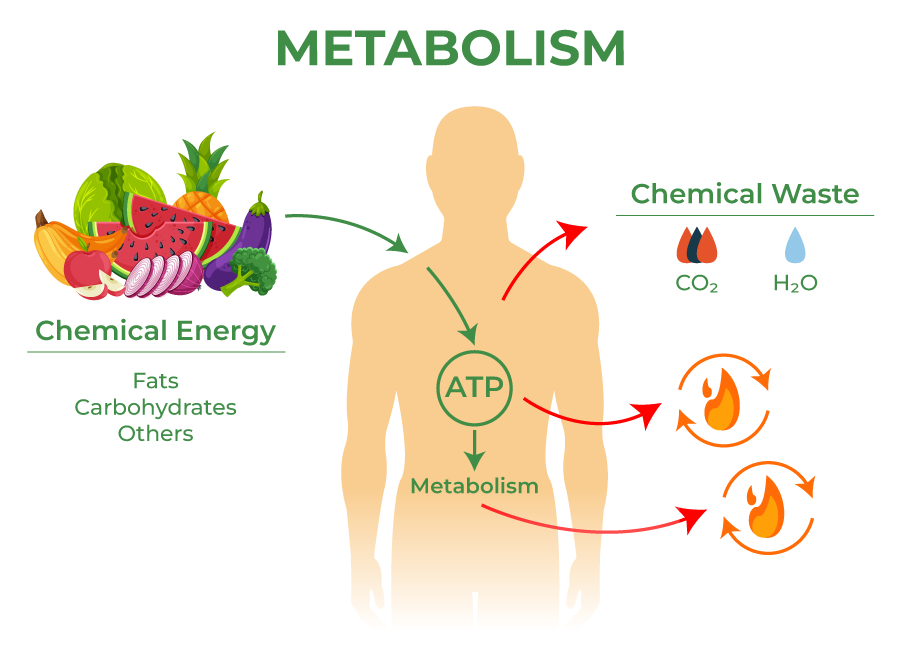
Your metabolism refers to the chemical processes in your body that convert the calories you consume into energy. It determines how efficiently your body burns calories and impacts your weight, energy levels, and overall health.
Your basal metabolic rate (BMR) refers to the minimum number of calories your body needs to perform essential functions like breathing, circulation, and cell growth. It accounts for 60-75% of the calories you burn each day. Several factors influence your BMR, including:
Age: BMR decreases as you get older due to loss of muscle mass. Body size and composition: BMR is higher for those with more muscle and lower body fat. Sex: Men generally have higher BMRs than women. Genetics: BMR is partially determined by genetics. Hormone levels: Thyroid hormones regulate BMR and metabolism.
Physical Activity and Exercise
In addition to your BMR, the calories you burn through physical activity and exercise make up the remaining 25-40% of your daily energy expenditure. The more active you are, the more calories you burn and the higher your metabolism becomes. Both cardiovascular exercise and strength or resistance training can increase your metabolism.
Engaging in regular physical activity is key to optimizing your metabolism. Aim for at least 30 minutes of moderate exercise most days of the week. Increase the intensity and duration over time as your fitness improves. Making simple lifestyle changes like taking the stairs, going for walks, and reducing sedentary time can also help boost your metabolism in the long run.
Optimizing your metabolism through diet and exercise is essential for achieving and maintaining a healthy weight and overall wellness. Understanding how your metabolism works and the factors that influence it will empower you to make the best choices for your body.
Factors That Influence Your Metabolic Rate
Age
As you get older, your metabolism generally slows down. This is because aging causes changes in hormones, muscle mass and activity levels. For every decade after age 40, your metabolism decreases by 2%. Engaging in regular exercise and strength training can help minimize the effects of an aging metabolism.
Body Composition
Your metabolic rate is higher if you have more muscle mass. This is because muscle is metabolically active and requires more energy. In contrast, fat tissue is less metabolically active. Focusing on building muscle through exercise and diet can boost your metabolism.
Dietary Thermogenesis
The energy required to digest, absorb and utilize the nutrients in the food you eat contributes to your metabolic rate. Protein-rich foods in particular have a high thermogenic effect. A diet high in protein, complex carbohydrates and healthy fats provides more stimulation for your metabolism than a diet high in simple sugars and processed foods.
Hormone Levels
Hormones such as thyroid hormone, growth hormone and testosterone regulate your metabolism. When your hormone levels are balanced, your metabolism functions efficiently. Factors like stress, aging, inflammation and insulin resistance can negatively impact your hormone levels and slow your metabolism. Managing stress, limiting sugar intake and exercising regularly help support healthy hormone levels and an optimized metabolism.
In summary, your age, body composition, diet and hormone levels are the primary factors that determine your metabolic rate. Making healthy lifestyle changes in each of these areas can have a significant impact on boosting your metabolism for improved health and longevity.
Lifestyle Tips to Boost Your Metabolism
To optimize your metabolism, make healthy lifestyle changes. Adopting good habits can help you burn more calories and lose excess weight.
Get Plenty of Sleep
Aim for 7 to 8 hours of sleep per night. Lack of sleep can slow your metabolism by up to 15 percent. When you don’t get adequate rest, your body produces more ghrelin, the hormone that stimulates appetite, and less leptin, the hormone that makes you feel full. Establishing a consistent sleep schedule will help ensure you get the sleep you need to maintain an efficient metabolism.
Stay Hydrated
Drink plenty of water and non-caffeinated beverages each day to keep your body functioning properly. Dehydration causes your metabolism to slow down, as your body tries to conserve energy. For most people, 6 to 8 glasses of water per day is adequate. Start your day with a glass of water as soon as you wake up to boost your hydration and jumpstart your metabolism.
Reduce Stress Levels
Chronic stress produces cortisol, the “stress hormone” that causes your body to store fat, especially in the abdominal area. Practice self-care techniques like yoga, meditation, or deep breathing to lower your cortisol levels and avoid metabolic disruption. Even taking short breaks to walk outside or do light exercise can help you de-stress and increase your metabolism.
Making healthy lifestyle changes requires discipline and commitment. However, optimizing your metabolism through adequate sleep, hydration, and stress reduction can have significant benefits for your health and weight management success. Developing sustainable habits and a balanced approach to wellness will serve you well for years to come.
Foods That Can Increase Your Metabolic Rate
Several foods contain compounds that can increase your metabolism and support fat burning in your body.
Lean Proteins
Foods high in protein, such as chicken, fish, eggs, and legumes, require more energy to digest than fats or carbohydrates. This is known as the thermic effect of food, Consuming protein-rich meals can increase your metabolism for up to 12 hours. Aim for 20 to 30 grams of protein with each meal, especially breakfast and dinner.
Green Tea
Green tea contains compounds called catechins, including epigallocatechin gallate or EGCG, that may slightly increase metabolism and fat burning. According to research, drinking 2 to 3 cups of green tea per day may increase metabolism by up to 4% and fat burning by up to 17% in some individuals. The effects seem to be most prominent when drinking green tea before exercise.
Chili Peppers
Chili peppers contain capsaicin, a compound that gives them their heat and may boost metabolism. Studies show that consuming capsaicin may increase metabolism by up to 25% for several hours after eating. Try adding chopped chili peppers to meals, or a bit of hot sauce or chili oil. The effects tend to be modest, but over time can have a cumulative effect.
Coffee
Like green tea, coffee contains compounds that may slightly increase metabolism, especially when consumed before exercise or physical activity. The effects tend to be relatively small, around 3 to 11% increase in metabolism, but every bit helps. Aim for 1 to 2 cups of black coffee per day for the best results. Avoid adding sugar, as this can counteract any benefits.
How Unhealthy lifestyle affect metabolism
An unhealthy lifestyle characterized by poor diet and lack of exercise can negatively impact your metabolism.
Poor Diet
Eating a diet high in processed foods, sugar, and unhealthy fats slows down your metabolism. These foods are low in nutrients but high in calories, causing weight gain that reduces metabolic efficiency. Focusing on whole foods like fruits and vegetables, lean proteins, and whole grains provides the vitamins and minerals your body needs to function properly. Making better food choices is the first step towards optimizing your metabolism.
Lack of exercise
A sedentary lifestyle decreases muscle mass and causes metabolic slowdown. Exercise is essential for building muscle and increasing metabolism. Aerobic exercise and strength training are particularly effective. Aerobic exercise like walking, jogging, and biking increase your heart rate and burn calories. Strength or resistance training with weights builds muscle that continues burning calories even at rest. Aim for at least 30 minutes of moderate exercise most days of the week to boost your metabolism.
Excessive alcohol consumption
Drinking too much alcohol has negative effects on metabolism. Alcohol is high in calories but low in nutrients, and excessive consumption inhibits the body’s ability to burn fat. Limit your alcohol intake to one drink per day for women, and two per day for men. Staying within these guidelines will minimize the impact on your metabolism.
Making positive lifestyle changes by eating a healthy diet, exercising regularly, limiting alcohol, getting enough sleep, and reducing stress will optimize your metabolism for better health and weight management over the long run. Focus on progress, not perfection, and maintain a balanced approach for the most sustainable results.
The ancient Indian system of medicine, Ayurveda, emphasizes a holistic approach to well-being. It recognizes the importance of digestion as the foundation for overall health and vitality. The Diet Hub understands that some individuals might be interested in exploring natural solutions alongside a healthy lifestyle and exercise routine. FD-369 is an Ayurvedic supplement formulated with natural ingredients traditionally used in Ayurveda to support digestion and potentially enhance your body’s natural metabolic processes.
FD-369 goes beyond simply being a “metabolism booster.” It’s a unique blend of natural ingredients specifically chosen for their potential benefits in supporting a healthy metabolism and overall well-being. Here’s a closer look at the key ingredients and their potential functions:
Flax Seed Oil: Rich in Omega-3 fatty acids and Lignans, Flax Seed Oil may contribute to healthy cholesterol levels by potentially lowering LDL (“bad”) cholesterol and triglycerides. It may also promote a feeling of fullness, aiding in weight management efforts.
Wheat Germ Oil: Packed with Vitamin E and other essential nutrients, Wheat Germ Oil may support cellular health and potentially contribute to healthy blood pressure management.
Lasuna Oil: Derived from garlic, Lasuna Oil has been used for centuries in Ayurveda for its heart-friendly properties. It may support healthy cardiovascular function through various mechanisms.
Moringa Oil: Extracted from the Moringa tree, Moringa Oil is rich in various beneficial compounds, including Beto-Sitosterol. This compound may offer potential benefits for managing specific health concerns, but more research is needed to understand its full impact.
Optimizing Your Health Naturally with FD-369
Here’s how FD-369 can potentially support your journey towards a healthier you:
Improved Digestion: By supporting a healthy digestive system, FD-369 may help your body absorb nutrients more efficiently, potentially leading to better utilization of food for energy production.
Enhanced Metabolism: The combination of ingredients in FD-369 may work synergistically to potentially support your body’s natural metabolic processes, promoting optimal energy utilization.
Holistic Well-being: By promoting healthy digestion and potentially supporting a balanced metabolism, FD-369 can contribute to your overall well-being.
It’s important to remember that FD-369 is intended to be a complement to a healthy lifestyle and exercise routine. While the ingredients in FD-369 hold promise, more scientific research is needed to fully understand their specific effects on metabolism. Consulting your doctor before starting any new supplement program is always a good idea, especially if you have underlying health conditions.
By incorporating these tips, exploring natural solutions like FD-369, and maintaining a healthy lifestyle, you can potentially support your metabolism and achieve your wellness goals. Visit The Diet Hub for more information on healthy recipes, exercise routines, and natural solutions for a healthier, happier you!
Conclusion
Optimizing your metabolism is a key component of achieving and maintaining overall health. By understanding the factors that influence your metabolic rate and making positive lifestyle changes, you can empower your body to burn calories more efficiently. This blog post has provided you with a roadmap for optimizing your metabolism through diet, exercise, sleep, stress management, and potentially exploring natural solutions like FD-369. Remember, consistency is key. By incorporating these strategies into your daily routine, you can unlock a healthier, more energetic you!