Unlocking the Secrets of Metabolism: How FD-369 Can Revolutionize Your Health

Metabolism is the engine that powers every function of the human body, from digesting food to producing energy and regulating essential bodily functions. A well-functioning metabolism is crucial for overall health, weight management, and disease prevention. However, due to modern lifestyle factors like poor diet, stress, and lack of physical activity, many people suffer from metabolic imbalances.
FD-369, a scientifically formulated metabolism regulator, is emerging as a potential game-changer for those struggling with metabolic disorders. With its unique blend of natural ingredients, FD-369 supports metabolic health, enhances energy levels, and promotes overall well-being.

Understanding Metabolism

Definition of Metabolism

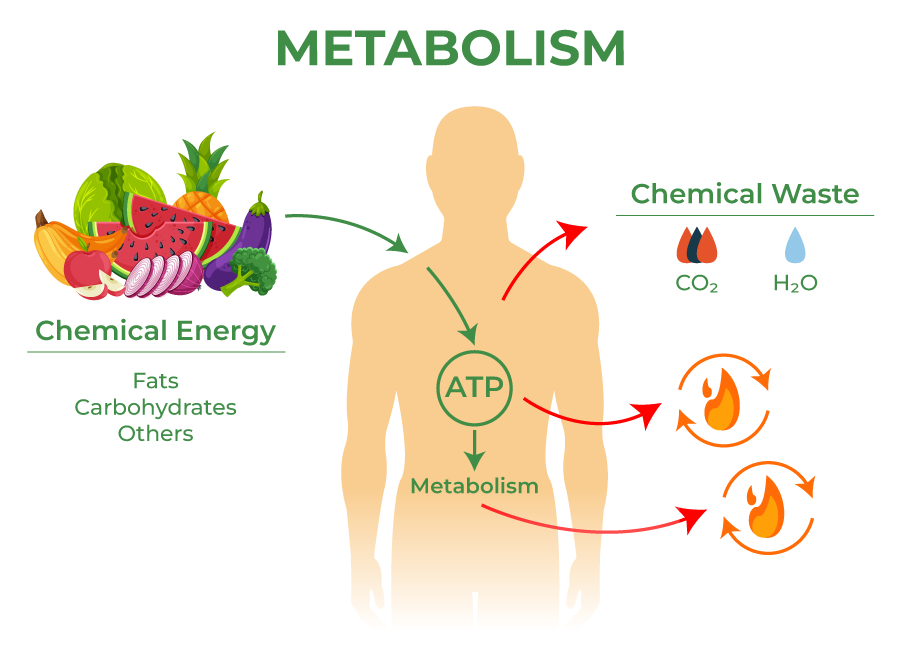
Metabolism refers to the biochemical processes that occur within a living organism to maintain life. It includes two key processes:

  1. Catabolism – The breakdown of food molecules to release energy.
  2. Anabolism – The synthesis of complex molecules essential for cell growth and repair.
Key Components of Metabolic Health
  • Basal Metabolic Rate (BMR): The number of calories your body needs to function at rest.
  • Thermic Effect of Food (TEF): The energy expended to digest and absorb nutrients.
  • Physical Activity: The energy used during exercise and daily activities.
  • Hormonal Regulation: Insulin, thyroid hormones, and cortisol significantly impact metabolism.
The Role of Metabolism in Overall Wellness

A balanced metabolism contributes to:

  • Efficient energy production
  • Stable blood sugar levels
  • Proper fat utilization
  • Reduced risk of chronic diseases
  • Enhanced cognitive function

The Metabolic Syndrome Epidemic

Definition and Prevalence of Metabolic Syndrome

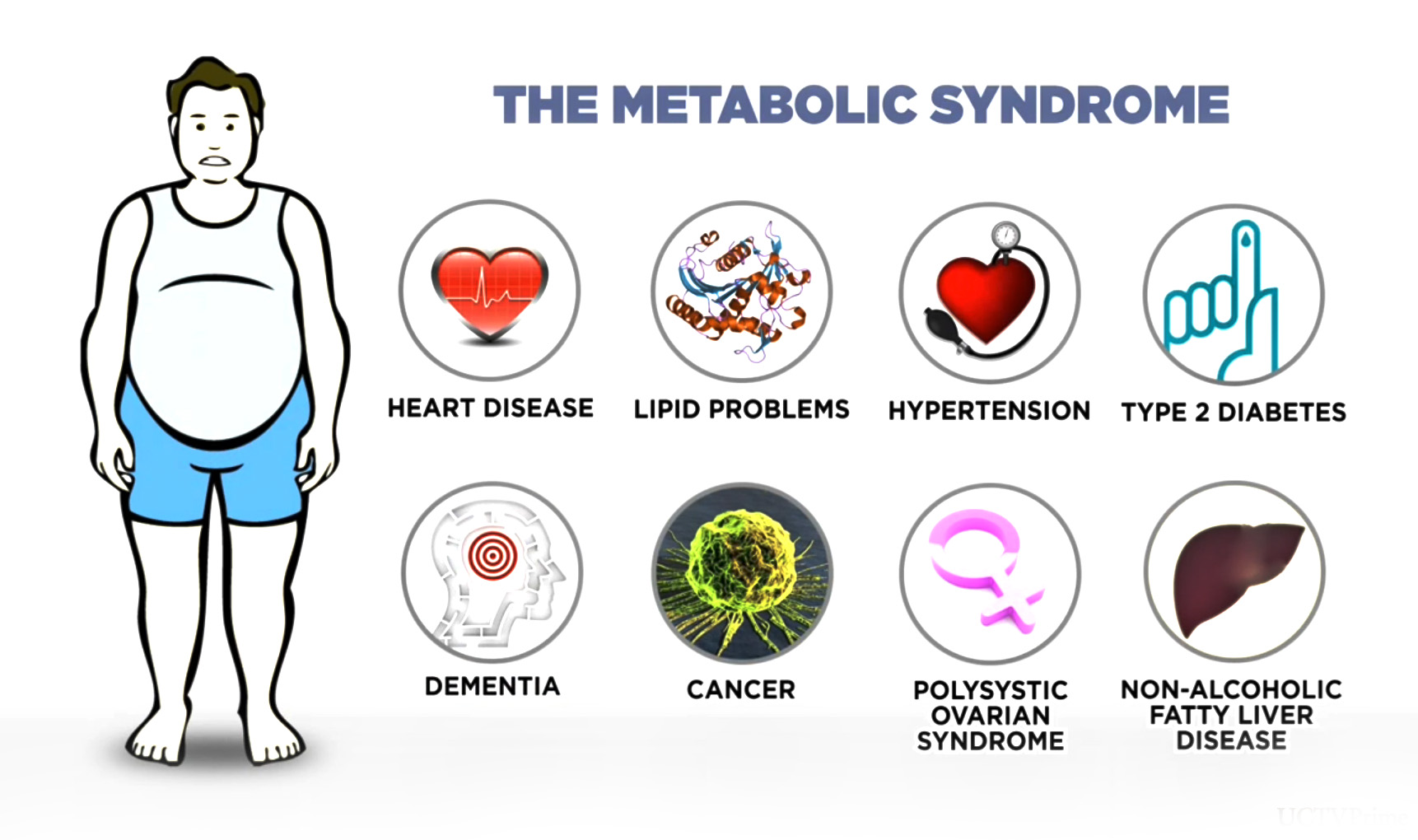
Metabolic syndrome is a cluster of conditions, including high blood sugar, excess body fat around the waist, abnormal cholesterol levels, and high blood pressure. It increases the risk of heart disease, stroke, and diabetes.

Risk Factors and Associated Health Conditions
  • Sedentary lifestyle
  • Poor dietary choices (high sugar, processed foods)
  • Genetic predisposition
  • Chronic stress
  • Insulin resistance
The Urgent Need for Effective Interventions

The rise in metabolic syndrome cases calls for urgent, natural, and sustainable solutions like FD-369, which provides targeted metabolic support.

FD-369: The Ideal Metabolism Regulator

Overview of FD-369’s Composition

FD-369 is formulated with scientifically backed natural ingredients that support metabolic health. Each soft gelatin capsule contains:

  • Flax Seed Oil – 500 mg: Rich in omega-3 fatty acids, it helps reduce inflammation and supports heart health.
  • Wheat Germ Oil – 25 mg: A great source of vitamin E and antioxidants, which enhance cellular function.
  • Lasuna (Garlic Oil) – 5 mg: Helps regulate cholesterol and supports cardiovascular health.
  • Moringa (Drum Stick) – 25 mg: Packed with vitamins and minerals that aid in metabolic function and energy production.
How FD-369 Targets Metabolic Processes
  • Improves insulin sensitivity
  • Enhances fat-burning mechanisms
  • Reduces inflammation and oxidative stress
  • Supports cardiovascular health
Potential Benefits for Metabolic Health
  • Regulates blood sugar levels
  • Promotes weight management
  • Boosts energy levels
  • Enhances cardiovascular function

The Science Behind FD-369

Key Ingredients and Their Metabolic Effects
  • Flax Seed Oil: Supports healthy cholesterol levels and improves metabolism.
  • Wheat Germ Oil: Provides essential nutrients that enhance metabolic function.
  • Lasuna (Garlic Oil): Helps regulate lipid levels and supports heart health.
  • Moringa (Drum Stick): Enhances digestion and boosts overall vitality.
Research Supporting the Efficacy of FD-369

Studies show that natural oils like flaxseed and wheat germ contribute to metabolic health, reducing inflammation and improving cardiovascular function.

Mechanism of Action in Regulating Metabolism

FD-369 works by enhancing mitochondrial function, reducing inflammation, and improving insulin sensitivity, making it a comprehensive solution for metabolic disorders.

Optimizing Metabolic Health with FD-369

Recommended Usage and Dosage
  • Suggested Intake: 1-2 capsules per day with meals.
  • Best Time to Take: Morning or early afternoon to maximize energy benefits.
Complementary Lifestyle Changes for Best Results
  • Regular physical activity (30 minutes of moderate exercise daily)
  • A balanced diet rich in whole foods and healthy fats
  • Stress management techniques like meditation and deep breathing
Potential Synergies with Diet and Exercise

FD-369 works best when combined with a high-protein diet and resistance training, optimizing fat loss and muscle maintenance.

Beyond Weight Management

FD-369’s Impact on Energy Levels and Vitality

By supporting mitochondrial health, FD-369 ensures efficient energy production, reducing fatigue and enhancing daily performance.
Potential Benefits for Cardiovascular Health

  • Reduces bad cholesterol (LDL)
  • Increases good cholesterol (HDL)
  • Supports healthy blood pressure levels
Effects on Blood Sugar Regulation and Insulin Sensitivity

FD-369 helps regulate glucose levels, reducing the risk of type 2 diabetes and insulin resistance.

Personalized Metabolic Health

Individual Variations in Metabolism

Metabolic rate varies due to genetics, age, and lifestyle factors. FD-369 helps balance metabolism regardless of these variables.

How FD-369 Can Be Tailored to Different Needs
  • For weight loss: Combine with a calorie-deficit diet.
  • For energy boost: Pair with a high-protein breakfast.
  • For blood sugar control: Take consistently with meals.
The Importance of Consulting Healthcare Professionals

While FD-369 is generally safe, individuals with underlying conditions should consult a healthcare provider before use.

Safety and Considerations

Overview of Safety Profile

FD-369 is made from natural, clinically tested ingredients with no reported severe side effects.

Potential Side Effects and Contraindications
  • Minor digestive discomfort (in rare cases)
  • Not suitable for pregnant or lactating women without medical advice
Importance of Quality and Sourcing in Metabolic Supplements

FD-369 is manufactured using high-quality, ethically sourced ingredients to ensure safety and efficacy.

The Future of Metabolic Health

Emerging Research in Metabolism Regulation

New studies suggest that personalized nutrition and metabolic supplements will play a key role in preventive healthcare.

Potential Developments in FD-369 Formulation

Future advancements may include enhanced bioavailability and additional herbal extracts for superior metabolic support.

The Role of Metabolic Health in Preventive Healthcare

Optimizing metabolism can reduce the risk of chronic diseases and improve longevity.

Conclusion

FD-369 offers a powerful, science-backed solution for improving metabolic health, enhancing energy levels, and supporting long-term wellness. By incorporating FD-369 into your routine along with a healthy lifestyle, you can take charge of your metabolic wellness today.

Call to Action:
Visit The Diet Hub to learn more about FD-369 and start your journey toward better metabolic health!

Read more

Boost Your Metabolism: A Comprehensive Guide to a Healthier You

Introduction

Have you ever wondered why some people can eat anything they want and still maintain a healthy weight while others struggle to keep the pounds off? The answer often lies in metabolism. According to recent studies, metabolism plays a crucial role in our energy levels, weight management, and overall health. In this blog, we will explore what metabolism is, how it functions, and provide practical tips on how to enhance your metabolic rate through diet, exercise, lifestyle changes, and even supplements.

1. Understanding Metabolism

What is Metabolism?

Metabolism refers to the complex biochemical processes that occur within our bodies to convert food into energy. This energy fuels everything from our daily activities to the fundamental functions required for survival, such as breathing, digestion, and circulation.

Two critical components of metabolism are the Basal Metabolic Rate (BMR) and Total Daily Energy Expenditure (TDEE). BMR is the number of calories your body requires to maintain basic physiological functions while at rest. TDEE, on the other hand, encompasses the total calories burned throughout the day, including those from physical activity and digestion.

Factors That Affect Metabolism

Several factors influence your metabolism:

  • Age: As we age, our metabolism typically slows down. This decrease can be attributed to the loss of muscle mass and hormonal changes.
  • Gender: Generally, men have a higher metabolic rate than women due to a greater muscle mass percentage.
  • Genetics: Some individuals are genetically predisposed to have faster or slower metabolisms.
  • Muscle Mass: Muscle tissue burns more calories than fat tissue, making individuals with more muscle mass have a higher resting metabolic rate.
  • Activity Level: Regular physical activity boosts metabolism, while a sedentary lifestyle can lead to a slower metabolic rate.

Common metabolic issues such as a slow metabolism can lead to weight gain, fatigue, and other health concerns, emphasizing the importance of understanding and managing your metabolism effectively.

2. Foods That Boost Your Metabolism

The right dietary choices can significantly impact your metabolism. Here are some food categories that are known to boost metabolic rate:

High-Protein Foods

Protein-rich foods increase the thermic effect of food (TEF), meaning your body burns more calories during digestion. When you consume protein, your body works harder to break it down compared to fats and carbohydrates.

Examples of High-Protein Foods:

  • Lean Meats: Chicken, turkey, and lean cuts of beef.
  • Fish: Salmon, tuna, and other fatty fish rich in omega-3 fatty acids.
  • Legumes: Lentils, chickpeas, and beans are excellent plant-based protein sources.
  • Dairy Products: Greek yogurt and cottage cheese provide high protein with additional health benefits.

Including these foods in your diet can enhance your metabolic rate and promote muscle growth, which in turn supports a healthy metabolism.

Spicy Foods and Metabolism

Spicy foods can also give your metabolism a temporary boost. Capsaicin, the active compound in chili peppers, has been shown to increase metabolic rate and promote fat burning.

Examples of Spicy Foods:

  • Chili Peppers: Incorporate fresh or dried chili peppers into your meals.
  • Cayenne Pepper: Use cayenne pepper in soups, sauces, or sprinkle it on vegetables.
  • Salsa: A delicious way to enjoy tomatoes and peppers while adding a spicy kick to your meals.

Adding these spicy foods can not only enhance flavor but also stimulate your metabolism.

Green Tea and Coffee

Both green tea and coffee contain compounds that can help in fat burning and increasing metabolic rate.

  • Caffeine: A natural stimulant found in coffee that can boost energy and metabolism.
  • Catechins: Antioxidants in green tea that may enhance fat oxidation and improve metabolic rate.

Regular consumption of green tea and coffee can complement your metabolism-boosting efforts. Consider trying The Diet Hub’s metabolism-boosting products, which may include green tea extract or coffee-based supplements.

Water

Staying hydrated is crucial for maintaining an efficient metabolism. Research has shown that drinking cold water can temporarily increase metabolism as your body works to heat the water to body temperature. Aim for at least 8-10 cups of water daily to support your metabolic health.

3. Exercises to Boost Metabolism

Incorporating physical activity into your daily routine is essential for boosting metabolism. Here are some effective types of exercises:

Strength Training and Building Muscle

Strength training not only helps you build muscle but also increases your resting metabolic rate (RMR). Muscle burns more calories at rest than fat, making it an excellent way to boost your metabolism.

Benefits of Strength Training:

  • Increases muscle mass.
  • Improves body composition.
  • Boosts confidence and strength.

Incorporate weight lifting, resistance training, or bodyweight exercises into your weekly routine to see lasting results.

High-Intensity Interval Training (HIIT)

HIIT workouts consist of short bursts of intense exercise followed by periods of rest. This approach can boost metabolism during and after your workout, leading to increased calorie burn even at rest.

Benefits of HIIT:

  • Time-efficient workouts.
  • Can be performed with minimal equipment.
  • Enhances cardiovascular fitness.

Incorporate HIIT workouts 2-3 times a week for maximum metabolic benefits.

Aerobic Exercises

Cardiovascular exercises such as running, cycling, or swimming elevate your heart rate and help burn calories. Regular aerobic exercise can improve overall metabolic health and endurance.

Examples of Aerobic Exercises:

  • Running or jogging.
  • Cycling, either outdoors or on a stationary bike.
  • Swimming or participating in water aerobics.

Aim for at least 150 minutes of moderate aerobic exercise or 75 minutes of vigorous activity each week to promote a healthy metabolism.

4. Lifestyle Changes to Improve Metabolism

In addition to diet and exercise, lifestyle factors play a significant role in metabolic health.

Get Enough Sleep

Quality sleep is vital for metabolic health. Poor sleep can disrupt hormones related to hunger and metabolism, leading to weight gain and fatigue.

  • Hunger Hormones: Lack of sleep increases levels of ghrelin (hunger hormone) and decreases leptin (satiety hormone), leading to increased appetite.

Tips for Improving Sleep Quality:

  • Establish a regular sleep schedule.
  • Create a relaxing bedtime routine.
  • Limit screen time before bed.

Aim for 7-9 hours of quality sleep each night to support a healthier metabolism.

Manage Stress

Chronic stress can lead to increased levels of cortisol, a hormone that may slow down metabolism and contribute to weight gain.

Stress Management Strategies:

  • Meditation: Practice mindfulness or meditation to calm the mind.
  • Yoga: Engage in yoga to reduce stress and enhance flexibility.
  • Deep Breathing Exercises: Take a few minutes daily to focus on your breath and relax.

Incorporating stress-reducing activities into your daily routine can help support a healthier metabolism.

Eat Regularly

Irregular eating patterns or skipping meals can negatively impact metabolism. Consuming smaller, more frequent meals throughout the day can help maintain stable energy levels and prevent excessive hunger.

Eating Tips:

  • Plan balanced meals and snacks.
  • Include a mix of macronutrients: proteins, carbohydrates, and healthy fats.
  • Listen to your body’s hunger cues.

Establishing a regular eating routine can promote a stable metabolism.

How Lifestyle Affects Metabolism

Your daily habits significantly influence your metabolic rate. Factors such as your activity level, sleep quality, and stress management can either support or hinder your metabolism.

  • Stay Active: Incorporate more movement into your day, such as taking the stairs or walking during breaks.
  • Avoid Sedentary Behavior: Take regular breaks from sitting, especially if you have a desk job.
  • Prioritize Self-Care: Make time for activities that promote well-being, such as hobbies, socializing, and relaxation.

Creating a supportive lifestyle can help enhance your metabolism.

5. The Role of Supplements

Do Supplements Help Boost Metabolism?

Supplements can provide additional support for boosting metabolism, but they should not replace a balanced diet and healthy lifestyle. Some metabolism-boosting supplements include:

  • Green Tea Extract: Rich in catechins and caffeine, it can enhance fat oxidation and metabolism.
  • Caffeine: Found in coffee and various supplements, it can increase energy expenditure.
  • FD-369: A specialized product from The Diet Hub designed to support metabolic health.

While these supplements can complement your efforts, consult with a healthcare professional before starting any new supplementation regimen.

6. Common Myths About Metabolism

Myth 1: “Eating Late at Night Slows Metabolism”

Many believe that eating late at night contributes to weight gain and slows metabolism. However, the timing of meals does not directly impact metabolic rate. What matters most is your overall caloric intake and food choices.

Myth 2: “You Can’t Change Your Metabolism”

Contrary to popular belief, lifestyle changes can positively impact metabolic rate, regardless of age or genetics. By adopting healthy eating habits, engaging in regular physical activity, and managing stress, you can support and enhance your metabolism.

Conclusion

In conclusion, understanding and optimizing your metabolism is crucial for achieving and maintaining a healthy lifestyle. By focusing on nutrient-rich foods, engaging in regular exercise, making positive lifestyle changes, and considering supplements when appropriate, you can boost your metabolic rate and enjoy a range of health benefits.

For those looking for quality products to support their metabolism, explore the offerings from The Diet Hub, where you’ll find a range of supplements and healthy food options designed to help you achieve your health goals.

Recommended Products from The Diet Hub

  • FD-369: The natural metabolism booster, is designed for heart care. It reduces LDL and triglycerides, maintains healthy blood pressure, and stimulates the brain to alleviate hypertension caused by stress. By metabolizing active constituents in the liver, it boosts HDL production and improves liver function.
  • DB 850 Tablets: Type 3 diabetics which is an acquired form of diabetes, is that an individual is having both type 1 and type 2. In a nutshell this happens, mainly because of poor patient compliance to the diet regulations suggested by the physician or dietitian.
  • Salutem Plus: Best tablet to act as  Anti -aging and to reduce Inflammation.
  • Odem-220: It is an Ayurvedic remedy for reducing pitting and peripheral edema, promoting effective fluid drainage.
  • Vyswanaram: It is a traditional Ayurvedic formulation crafted to address common digestive concerns such as constipation, bloating, gas, and loss of appetite.
Read more

Optimizing Your Metabolism for Better Health

As someone interested in optimizing your health, you know that metabolism plays a key role. With a faster metabolism, you can more easily maintain a healthy weight and have more energy. Understanding how to boost your metabolism provides a powerful tool for improving overall wellness. In this article, you’ll learn research-backed strategies for increasing your metabolic rate in sustainable, healthy ways. Optimizing metabolism requires adopting lifestyle habits and behaviors focused on diet, activity levels, sleep, and stress management. Small, incremental changes to your daily routine can have an outsized, positive influence. Read on to discover simple but impactful tips for enhancing your metabolism and achieving better health.

Understanding Your Metabolism: What Is Metabolism and How Does It Work?

Your metabolism refers to the chemical processes in your body that convert the calories you consume into energy. It determines how efficiently your body burns calories and impacts your weight, energy levels, and overall health.

Your basal metabolic rate (BMR) refers to the minimum number of calories your body needs to perform essential functions like breathing, circulation, and cell growth. It accounts for 60-75% of the calories you burn each day. Several factors influence your BMR, including:

Age: BMR decreases as you get older due to loss of muscle mass.
Body size and composition: BMR is higher for those with more muscle and lower body fat.
Sex: Men generally have higher BMRs than women. Genetics: BMR is partially determined by genetics.
Hormone levels: Thyroid hormones regulate BMR and metabolism.

Physical Activity and Exercise

In addition to your BMR, the calories you burn through physical activity and exercise make up the remaining 25-40% of your daily energy expenditure. The more active you are, the more calories you burn and the higher your metabolism becomes. Both cardiovascular exercise and strength or resistance training can increase your metabolism.

Engaging in regular physical activity is key to optimizing your metabolism. Aim for at least 30 minutes of moderate exercise most days of the week. Increase the intensity and duration over time as your fitness improves. Making simple lifestyle changes like taking the stairs, going for walks, and reducing sedentary time can also help boost your metabolism in the long run.

Optimizing your metabolism through diet and exercise is essential for achieving and maintaining a healthy weight and overall wellness. Understanding how your metabolism works and the factors that influence it will empower you to make the best choices for your body.

Metabolism Working

Factors That Influence Your Metabolic Rate

Age

As you get older, your metabolism generally slows down. This is because aging causes changes in hormones, muscle mass and activity levels. For every decade after age 40, your metabolism decreases by 2%. Engaging in regular exercise and strength training can help minimize the effects of an aging metabolism.

Body Composition

Your metabolic rate is higher if you have more muscle mass. This is because muscle is metabolically active and requires more energy. In contrast, fat tissue is less metabolically active. Focusing on building muscle through exercise and diet can boost your metabolism.

Dietary Thermogenesis

The energy required to digest, absorb and utilize the nutrients in the food you eat contributes to your metabolic rate. Protein-rich foods in particular have a high thermogenic effect. A diet high in protein, complex carbohydrates and healthy fats provides more stimulation for your metabolism than a diet high in simple sugars and processed foods.

Hormone Levels

Hormones such as thyroid hormone, growth hormone and testosterone regulate your metabolism. When your hormone levels are balanced, your metabolism functions efficiently. Factors like stress, aging, inflammation and insulin resistance can negatively impact your hormone levels and slow your metabolism. Managing stress, limiting sugar intake and exercising regularly help support healthy hormone levels and an optimized metabolism.

In summary, your age, body composition, diet and hormone levels are the primary factors that determine your metabolic rate. Making healthy lifestyle changes in each of these areas can have a significant impact on boosting your metabolism for improved health and longevity.

Lifestyle Tips to Boost Your Metabolism

To optimize your metabolism, make healthy lifestyle changes. Adopting good habits can help you burn more calories and lose excess weight.

Get Plenty of Sleep

Aim for 7 to 8 hours of sleep per night. Lack of sleep can slow your metabolism by up to 15 percent. When you don’t get adequate rest, your body produces more ghrelin, the hormone that stimulates appetite, and less leptin, the hormone that makes you feel full. Establishing a consistent sleep schedule will help ensure you get the sleep you need to maintain an efficient metabolism.

Stay Hydrated

Drink plenty of water and non-caffeinated beverages each day to keep your body functioning properly. Dehydration causes your metabolism to slow down, as your body tries to conserve energy. For most people, 6 to 8 glasses of water per day is adequate. Start your day with a glass of water as soon as you wake up to boost your hydration and jumpstart your metabolism.

Reduce Stress Levels

Chronic stress produces cortisol, the “stress hormone” that causes your body to store fat, especially in the abdominal area. Practice self-care techniques like yoga, meditation, or deep breathing to lower your cortisol levels and avoid metabolic disruption. Even taking short breaks to walk outside or do light exercise can help you de-stress and increase your metabolism.

Making healthy lifestyle changes requires discipline and commitment. However, optimizing your metabolism through adequate sleep, hydration, and stress reduction can have significant benefits for your health and weight management success. Developing sustainable habits and a balanced approach to wellness will serve you well for years to come.

Foods That Can Increase Your Metabolic Rate

Several foods contain compounds that can increase your metabolism and support fat burning in your body.

Lean Proteins

Foods high in protein, such as chicken, fish, eggs, and legumes, require more energy to digest than fats or carbohydrates. This is known as the thermic effect of food, Consuming protein-rich meals can increase your metabolism for up to 12 hours. Aim for 20 to 30 grams of protein with each meal, especially breakfast and dinner.

Green Tea

Green tea contains compounds called catechins, including epigallocatechin gallate or EGCG, that may slightly increase metabolism and fat burning. According to research, drinking 2 to 3 cups of green tea per day may increase metabolism by up to 4% and fat burning by up to 17% in some individuals. The effects seem to be most prominent when drinking green tea before exercise.

Chili Peppers

Chili peppers contain capsaicin, a compound that gives them their heat and may boost metabolism. Studies show that consuming capsaicin may increase metabolism by up to 25% for several hours after eating. Try adding chopped chili peppers to meals, or a bit of hot sauce or chili oil. The effects tend to be modest, but over time can have a cumulative effect.

Coffee

Like green tea, coffee contains compounds that may slightly increase metabolism, especially when consumed before exercise or physical activity. The effects tend to be relatively small, around 3 to 11% increase in metabolism, but every bit helps. Aim for 1 to 2 cups of black coffee per day for the best results. Avoid adding sugar, as this can counteract any benefits.

How Unhealthy lifestyle affect metabolism

An unhealthy lifestyle characterized by poor diet and lack of exercise can negatively impact your metabolism.

Poor Diet

Eating a diet high in processed foods, sugar, and unhealthy fats slows down your metabolism. These foods are low in nutrients but high in calories, causing weight gain that reduces metabolic efficiency. Focusing on whole foods like fruits and vegetables, lean proteins, and whole grains provides the vitamins and minerals your body needs to function properly. Making better food choices is the first step towards optimizing your metabolism.

Lack of exercise

A sedentary lifestyle decreases muscle mass and causes metabolic slowdown. Exercise is essential for building muscle and increasing metabolism. Aerobic exercise and strength training are particularly effective. Aerobic exercise like walking, jogging, and biking increase your heart rate and burn calories. Strength or resistance training with weights builds muscle that continues burning calories even at rest. Aim for at least 30 minutes of moderate exercise most days of the week to boost your metabolism.

Excessive alcohol consumption

Drinking too much alcohol has negative effects on metabolism. Alcohol is high in calories but low in nutrients, and excessive consumption inhibits the body’s ability to burn fat. Limit your alcohol intake to one drink per day for women, and two per day for men. Staying within these guidelines will minimize the impact on your metabolism.

Making positive lifestyle changes by eating a healthy diet, exercising regularly, limiting alcohol, getting enough sleep, and reducing stress will optimize your metabolism for better health and weight management over the long run. Focus on progress, not perfection, and maintain a balanced approach for the most sustainable results.

Metabolic Syndrome

Ayurveda and Metabolism: Introducing FD-369

The ancient Indian system of medicine, Ayurveda, emphasizes a holistic approach to well-being. It recognizes the importance of digestion as the foundation for overall health and vitality. The Diet Hub understands that some individuals might be interested in exploring natural solutions alongside a healthy lifestyle and exercise routine. FD-369 is an Ayurvedic supplement formulated with natural ingredients traditionally used in Ayurveda to support digestion and potentially enhance your body’s natural metabolic processes.

FD-369: The Ayurvedic Approach to Metabolic Support

FD-369 goes beyond simply being a “metabolism booster.” It’s a unique blend of natural ingredients specifically chosen for their potential benefits in supporting a healthy metabolism and overall well-being. Here’s a closer look at the key ingredients and their potential functions:

  • Flax Seed Oil: Rich in Omega-3 fatty acids and Lignans, Flax Seed Oil may contribute to healthy cholesterol levels by potentially lowering LDL (“bad”) cholesterol and triglycerides. It may also promote a feeling of fullness, aiding in weight management efforts.
  • Wheat Germ Oil: Packed with Vitamin E and other essential nutrients, Wheat Germ Oil may support cellular health and potentially contribute to healthy blood pressure management.
  • Lasuna Oil: Derived from garlic, Lasuna Oil has been used for centuries in Ayurveda for its heart-friendly properties. It may support healthy cardiovascular function through various mechanisms.
  • Moringa Oil: Extracted from the Moringa tree, Moringa Oil is rich in various beneficial compounds, including Beto-Sitosterol. This compound may offer potential benefits for managing specific health concerns, but more research is needed to understand its full impact.
FD 369- Metabolism Regulator

Optimizing Your Health Naturally with FD-369

Here’s how FD-369 can potentially support your journey towards a healthier you:

  • Improved Digestion: By supporting a healthy digestive system, FD-369 may help your body absorb nutrients more efficiently, potentially leading to better utilization of food for energy production.
  • Enhanced Metabolism: The combination of ingredients in FD-369 may work synergistically to potentially support your body’s natural metabolic processes, promoting optimal energy utilization.
  • Holistic Well-being: By promoting healthy digestion and potentially supporting a balanced metabolism, FD-369 can contribute to your overall well-being.

It’s important to remember that FD-369 is intended to be a complement to a healthy lifestyle and exercise routine. While the ingredients in FD-369 hold promise, more scientific research is needed to fully understand their specific effects on metabolism. Consulting your doctor before starting any new supplement program is always a good idea, especially if you have underlying health conditions.

By incorporating these tips, exploring natural solutions like FD-369, and maintaining a healthy lifestyle, you can potentially support your metabolism and achieve your wellness goals. Visit The Diet Hub for more information on healthy recipes, exercise routines, and natural solutions for a healthier, happier you!

Conclusion

Optimizing your metabolism is a key component of achieving and maintaining overall health. By understanding the factors that influence your metabolic rate and making positive lifestyle changes, you can empower your body to burn calories more efficiently. This blog post has provided you with a roadmap for optimizing your metabolism through diet, exercise, sleep, stress management, and potentially exploring natural solutions like FD-369. Remember, consistency is key. By incorporating these strategies into your daily routine, you can unlock a healthier, more energetic you!

Read more